Obscura is an immersive experience that bridges solitary Virtual Reality and public exhibition — a spatial computing environment where the viewer's gaze dynamically curates the images they see.
I drove the Interaction Design, prototyping, and Unity development. Together, the team and I transformed isolated exploration into a shared social narrative for the broader museum audience.
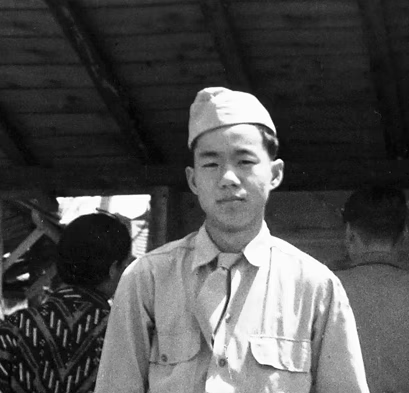
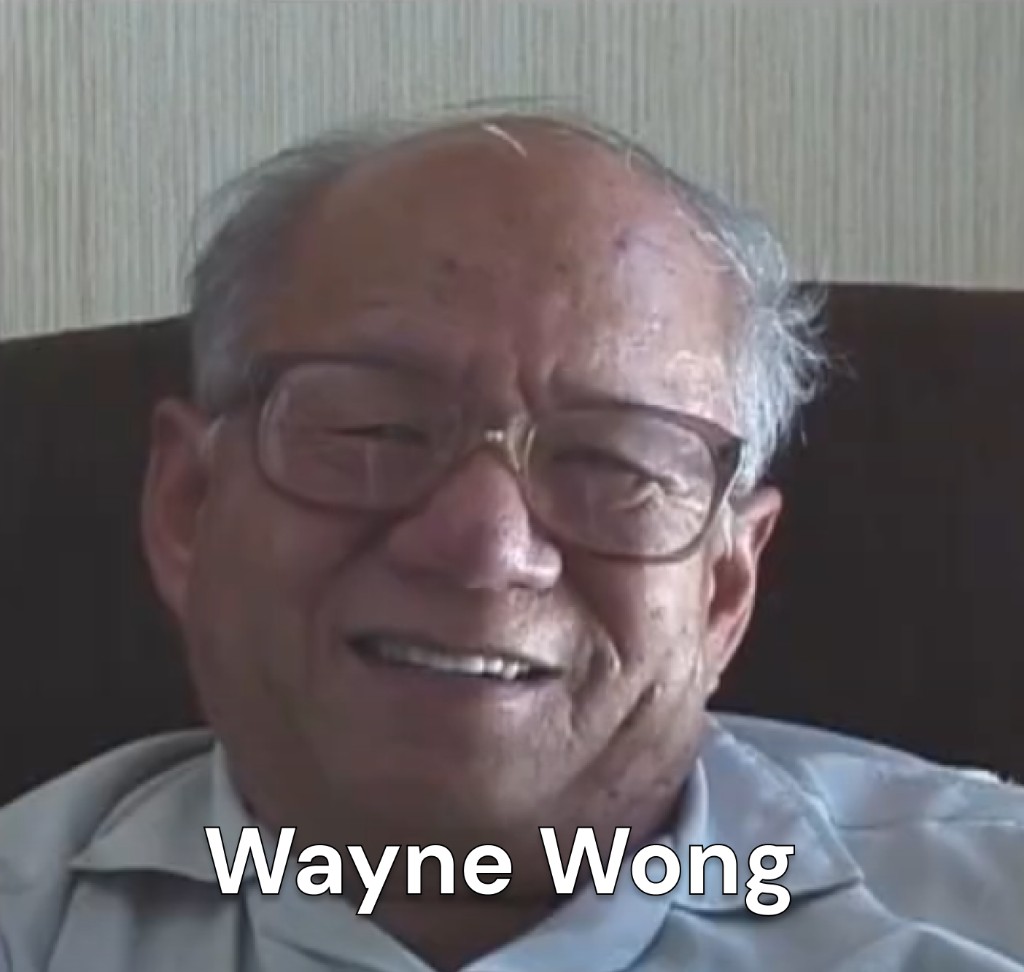
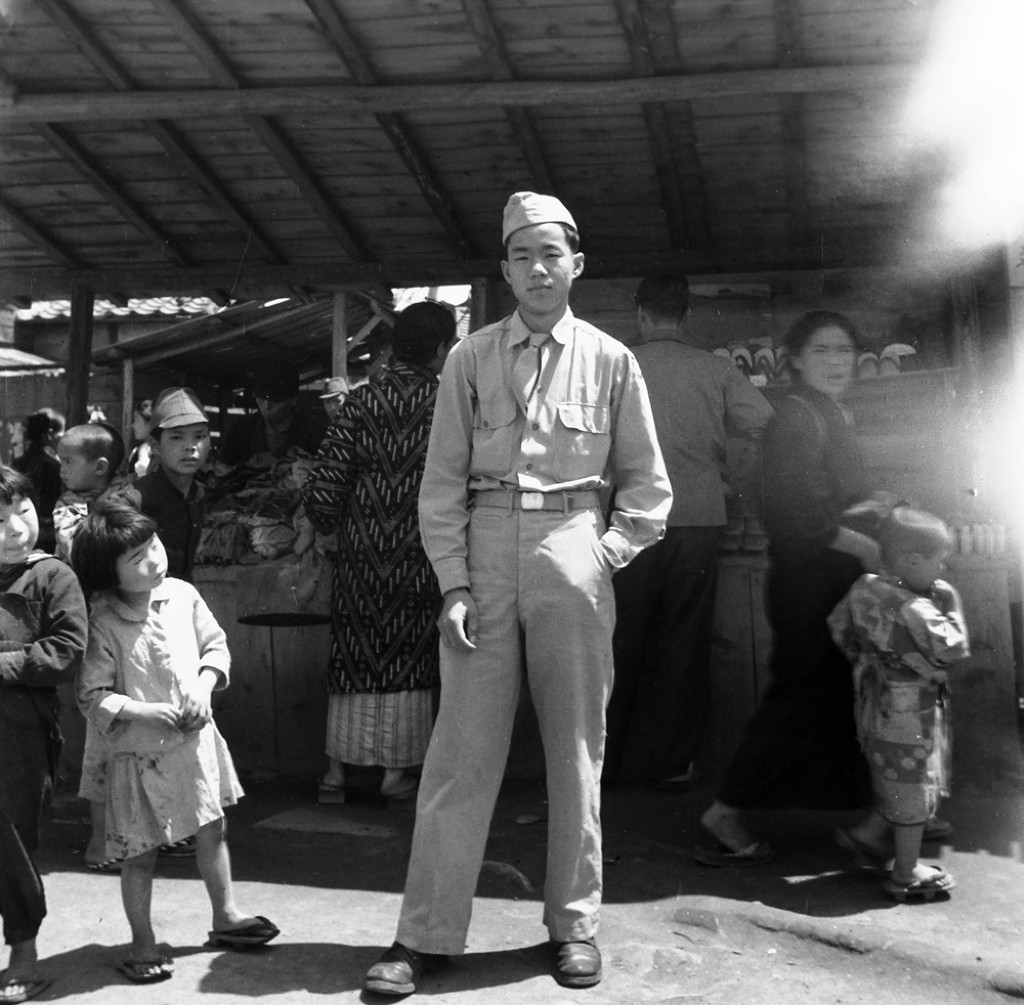
The Museum of History and Industry handed us a box of unexposed film — hundreds of photographs taken by Wayne Wong, a Signal Corps soldier in 1946 Japan, never developed, never seen. The brief was three words: create something boundary-pushing. We made something that asks: when you look at a photograph, who is really doing the looking?
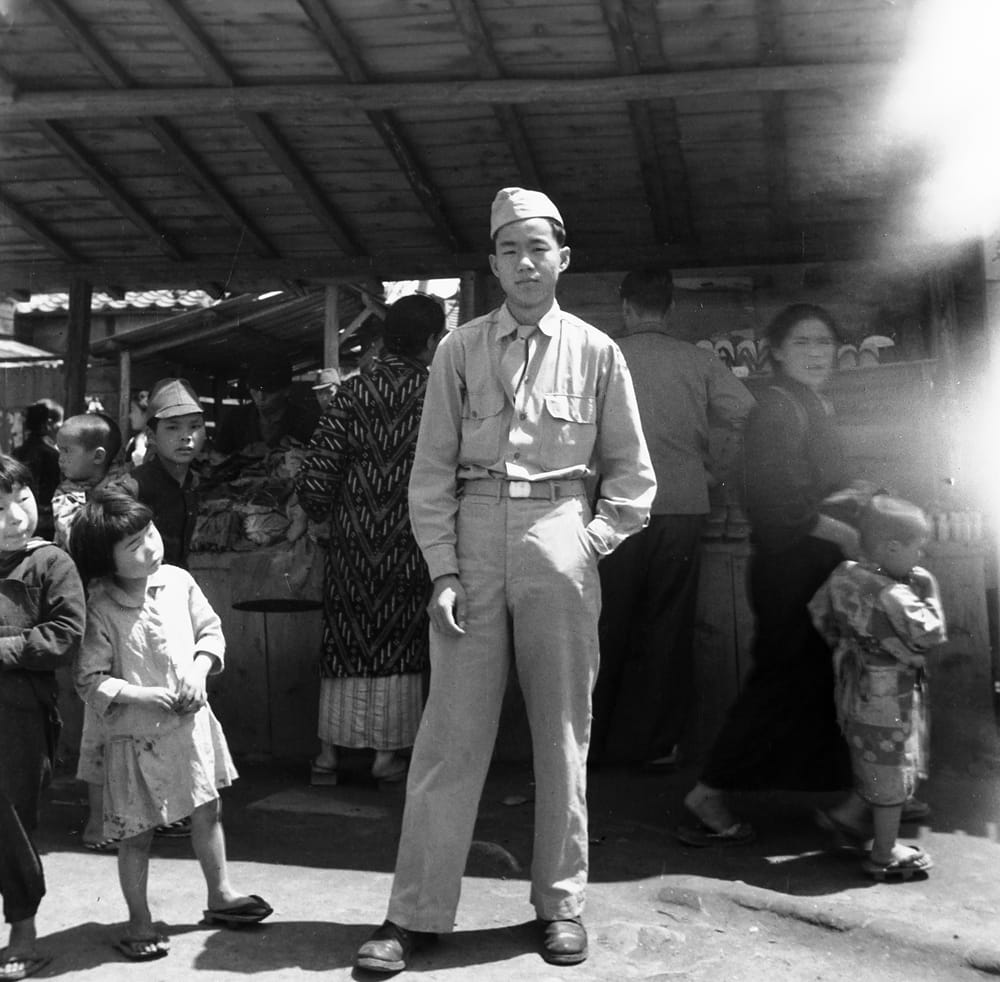
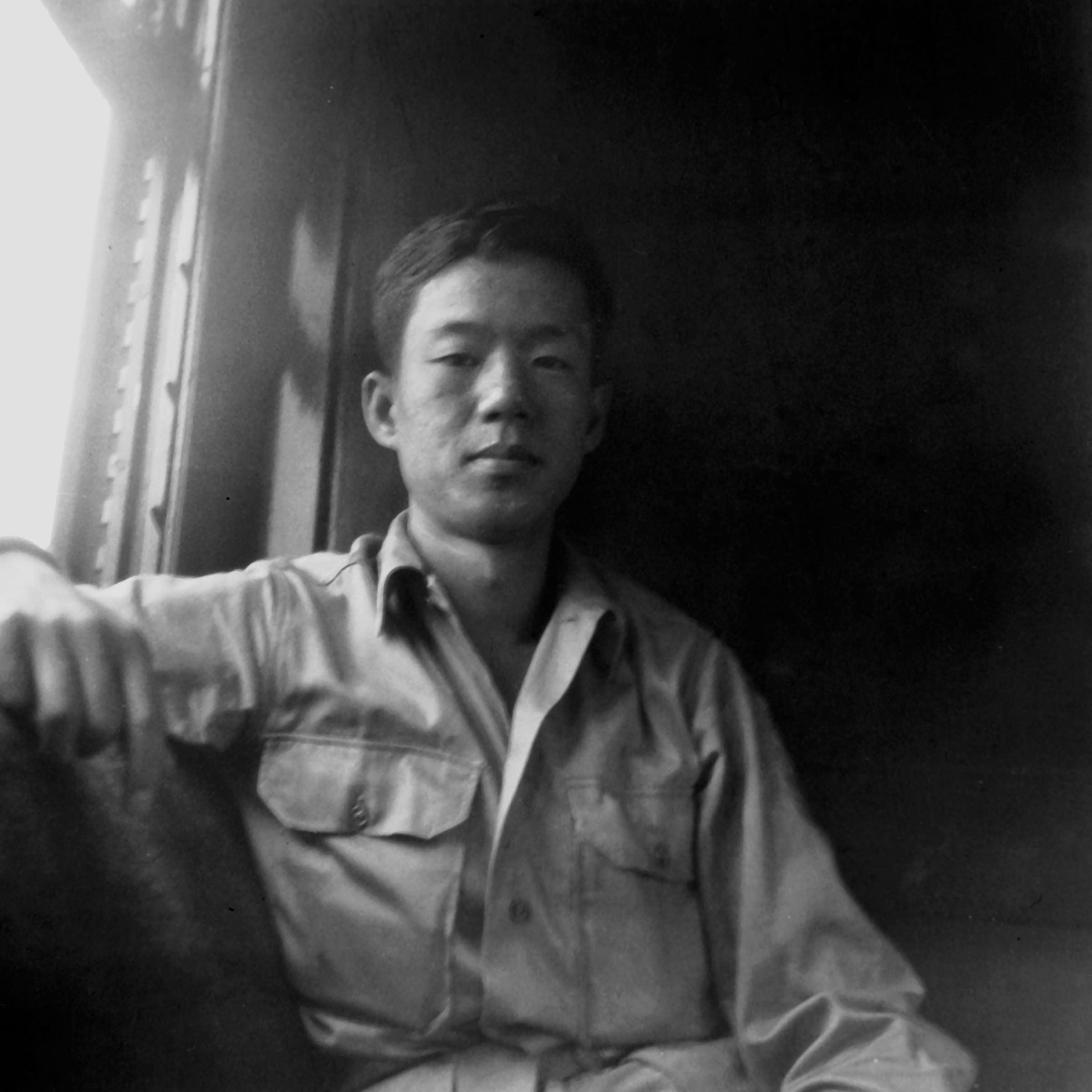
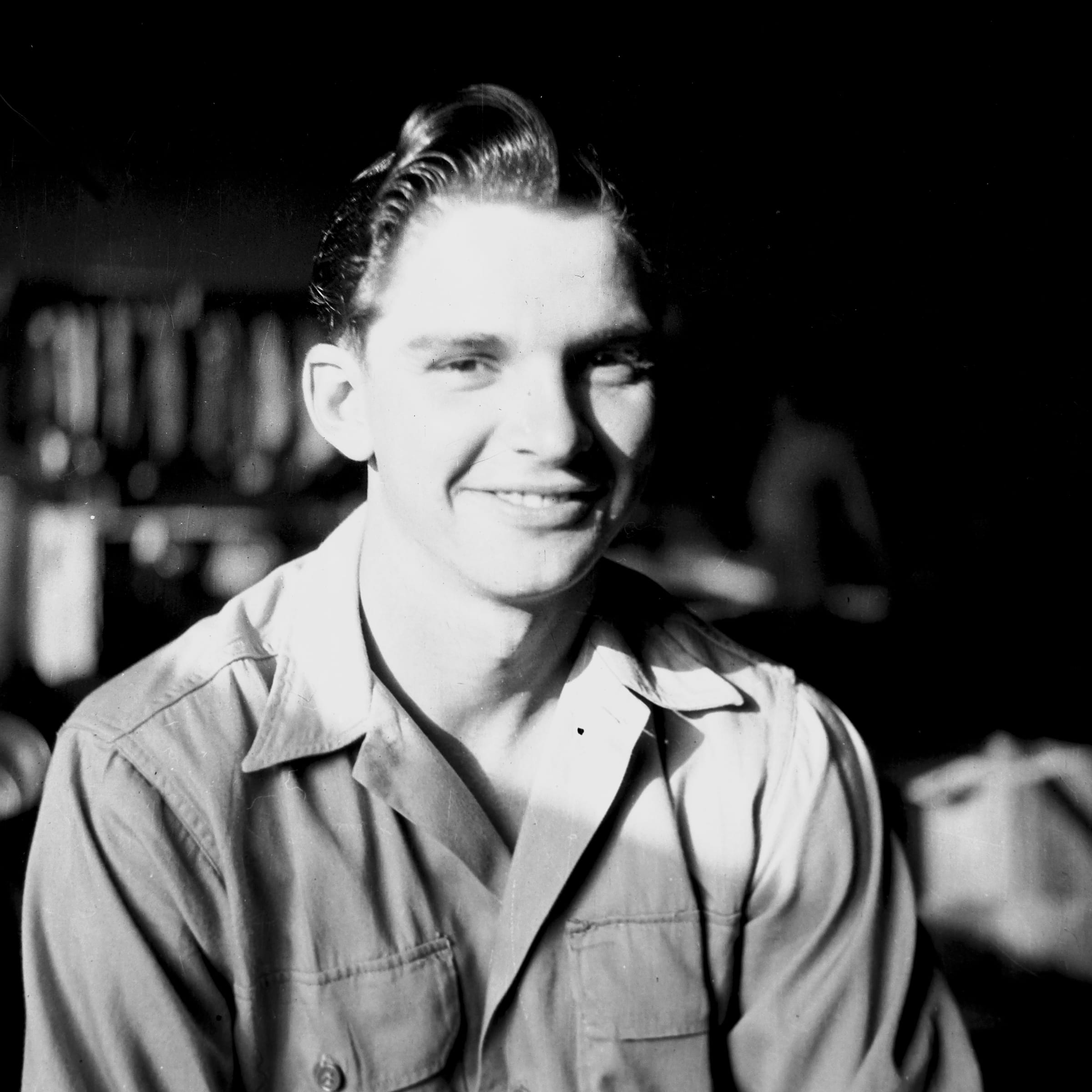
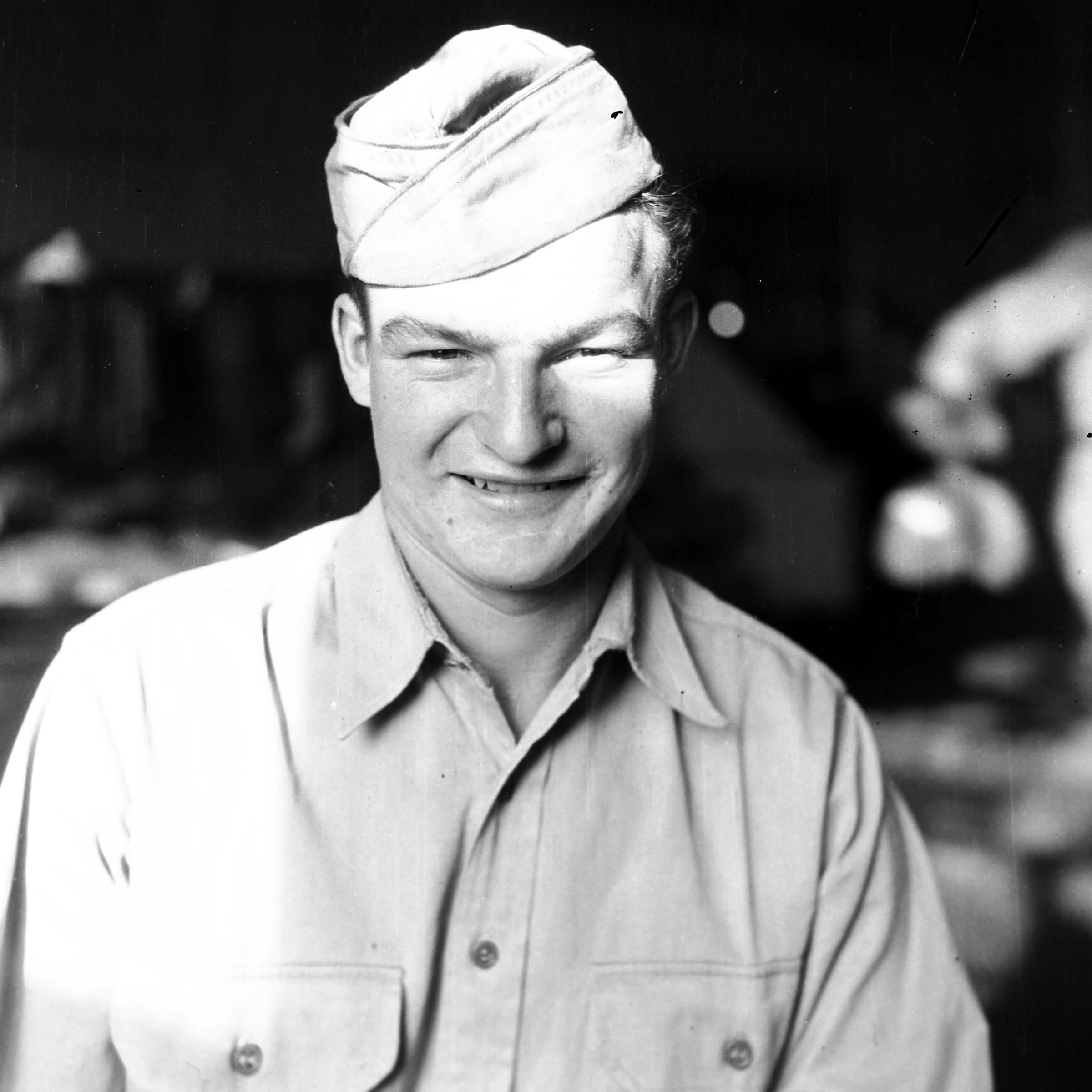
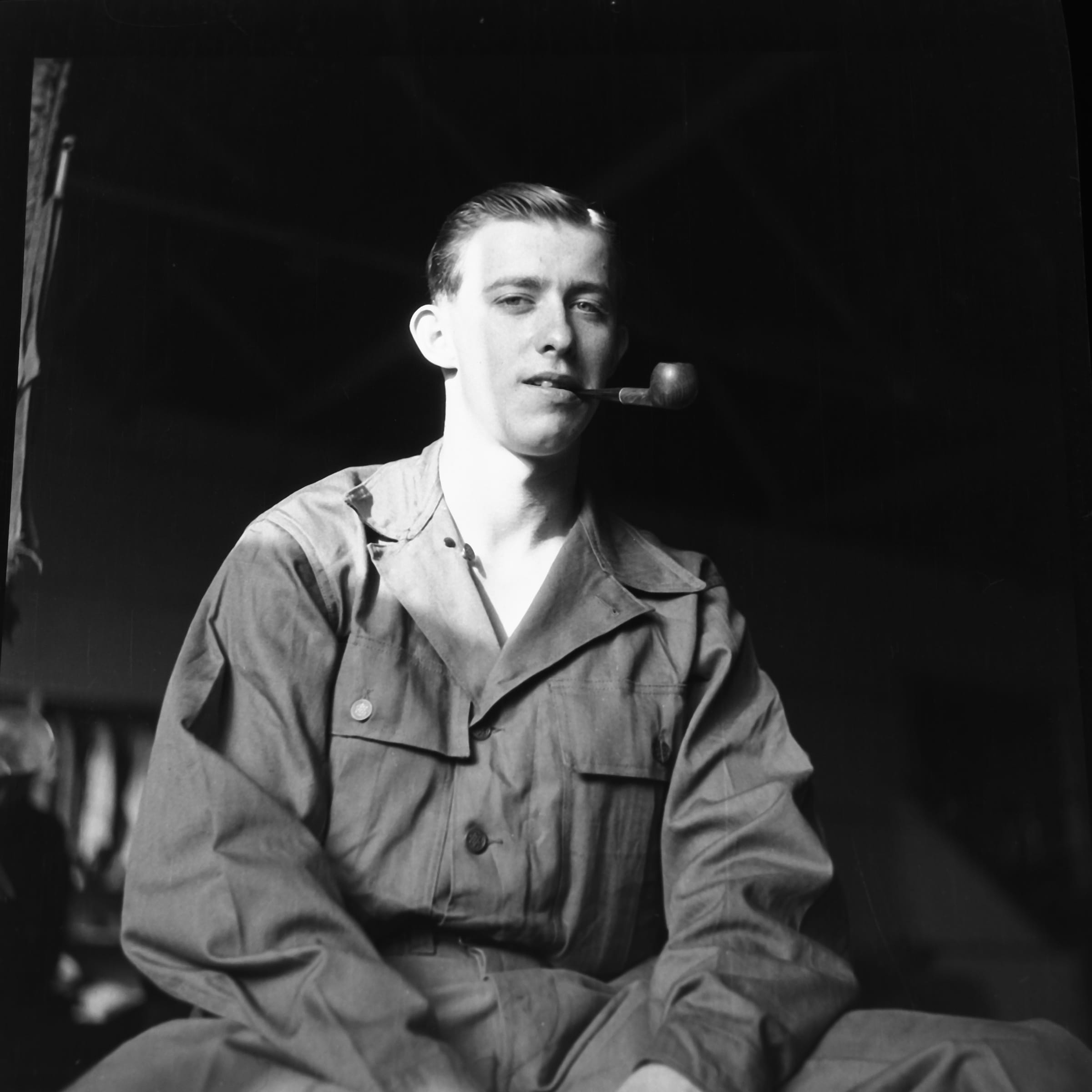
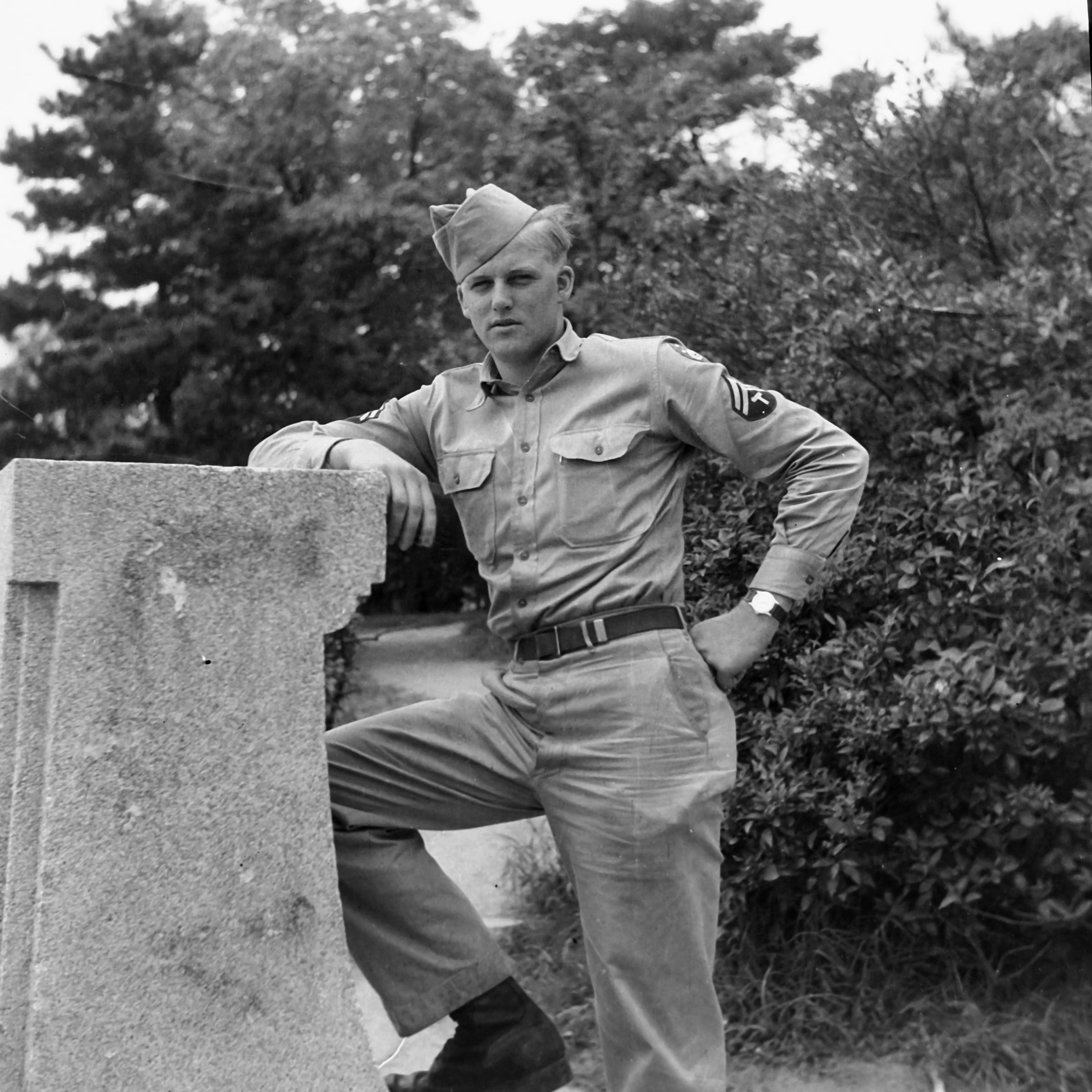
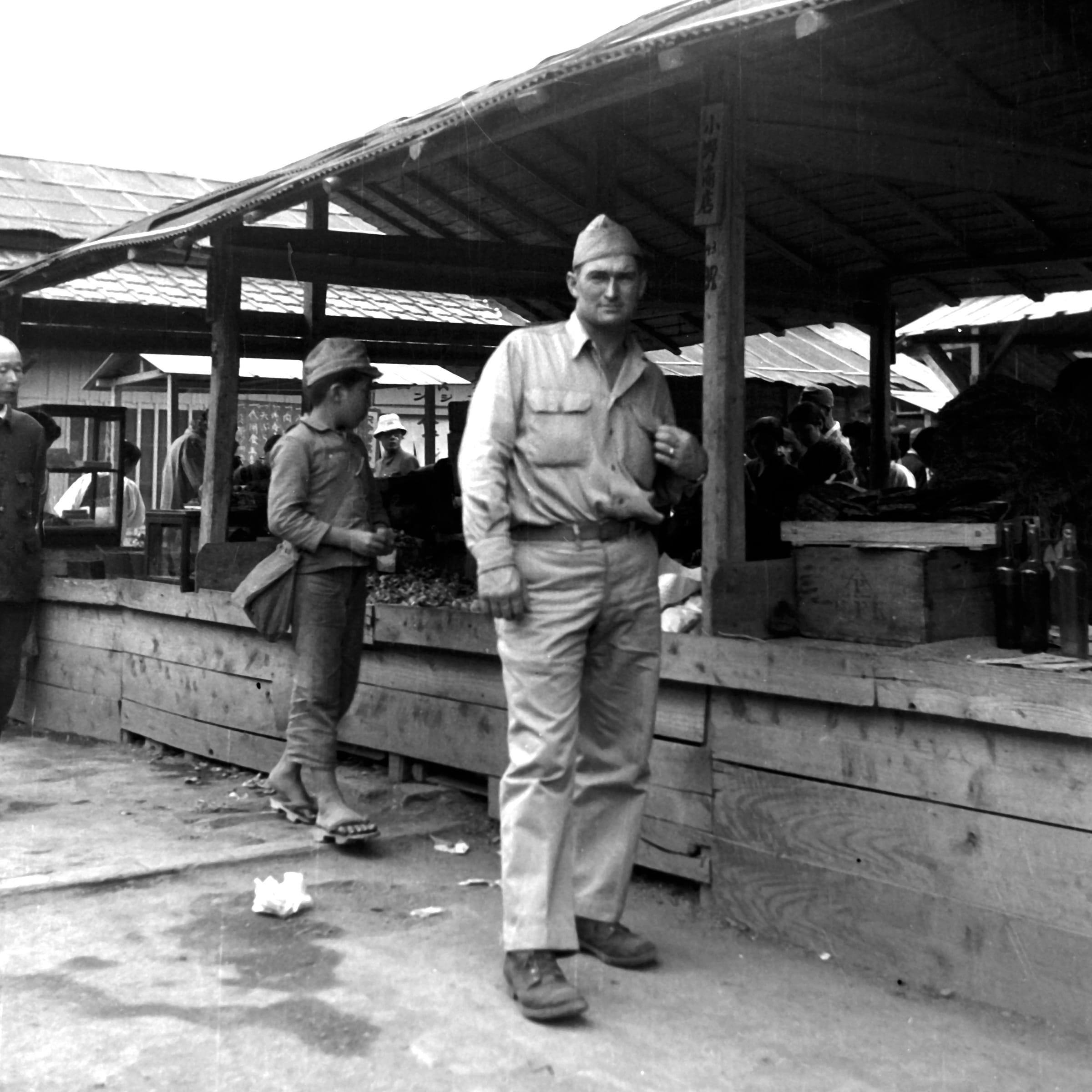
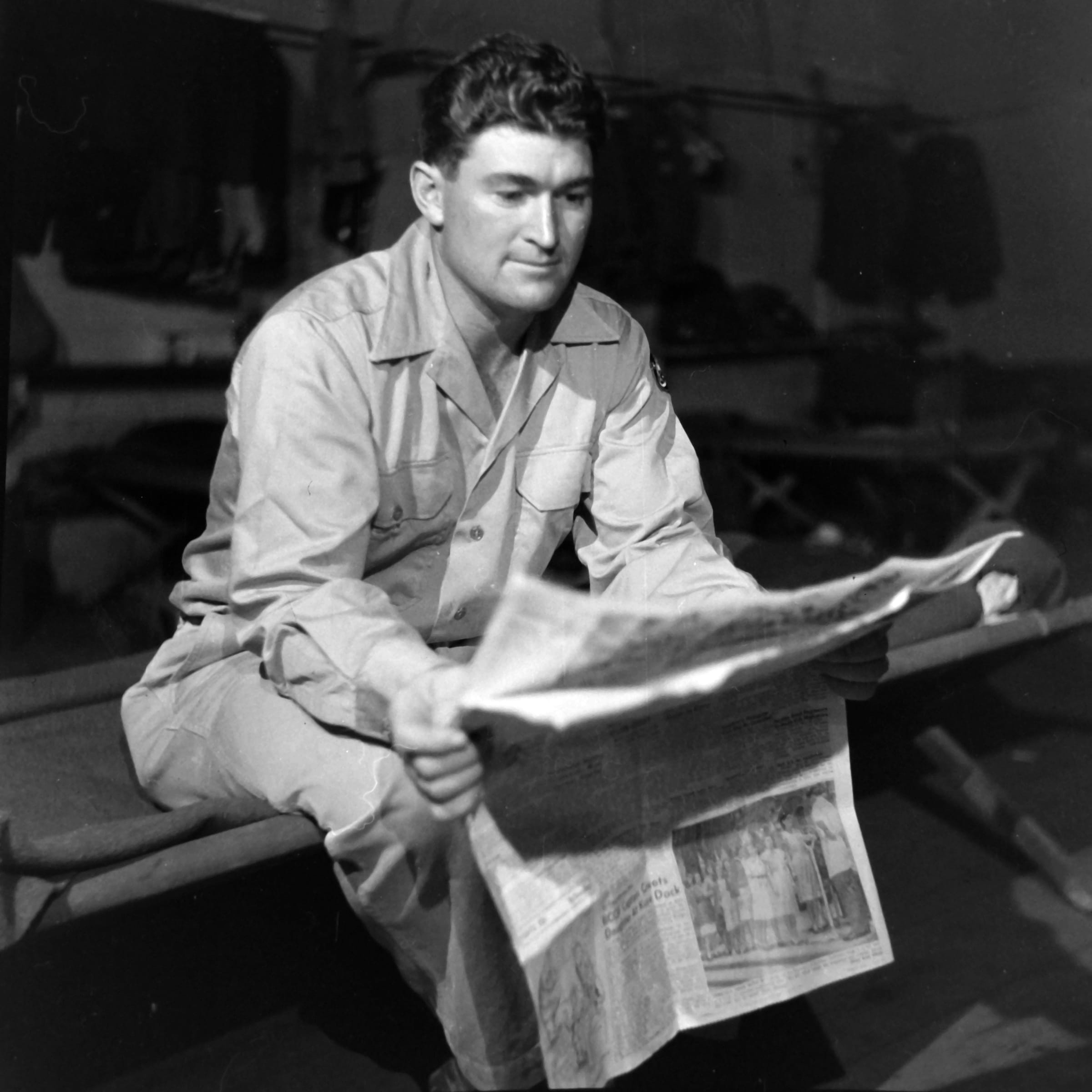
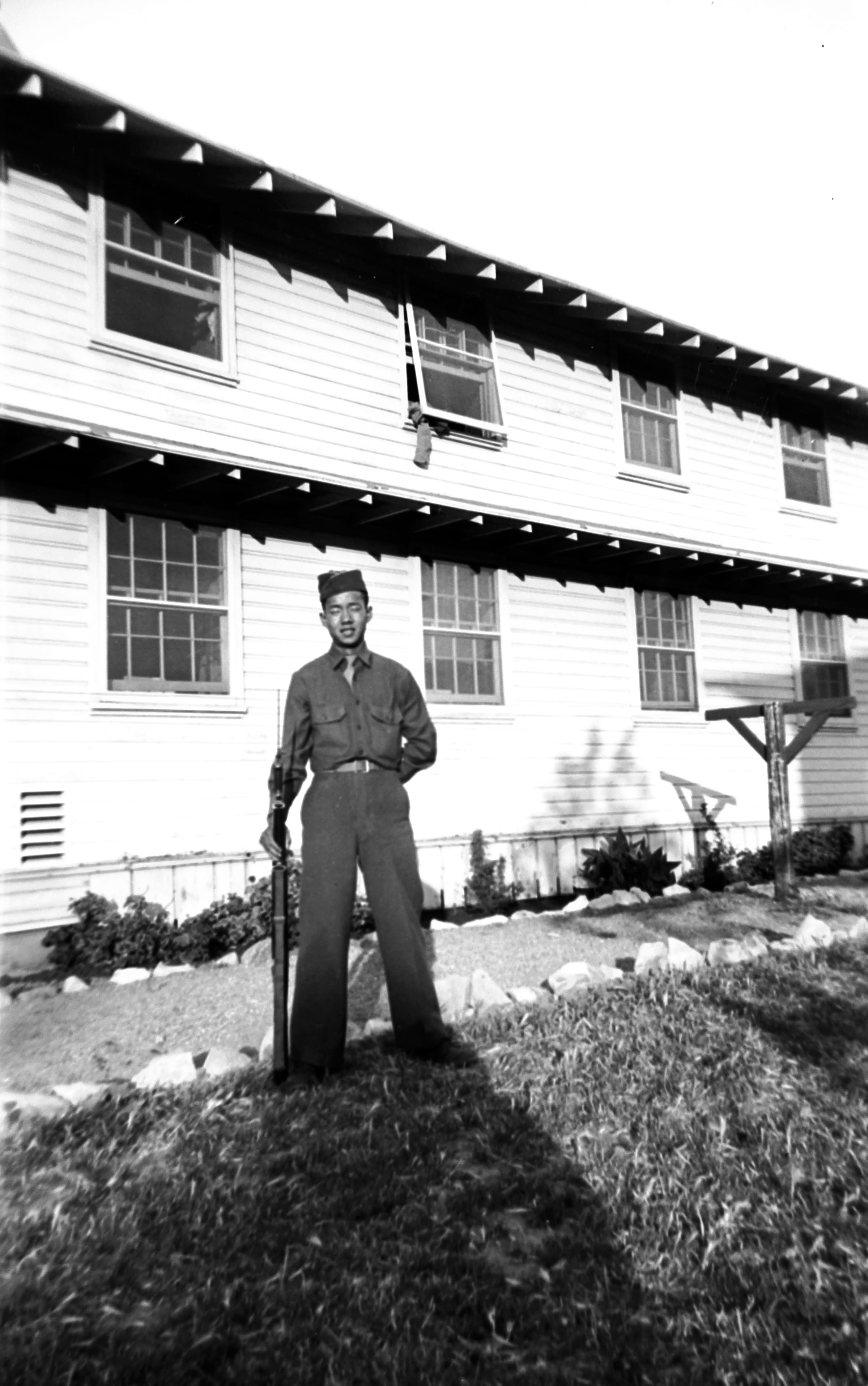
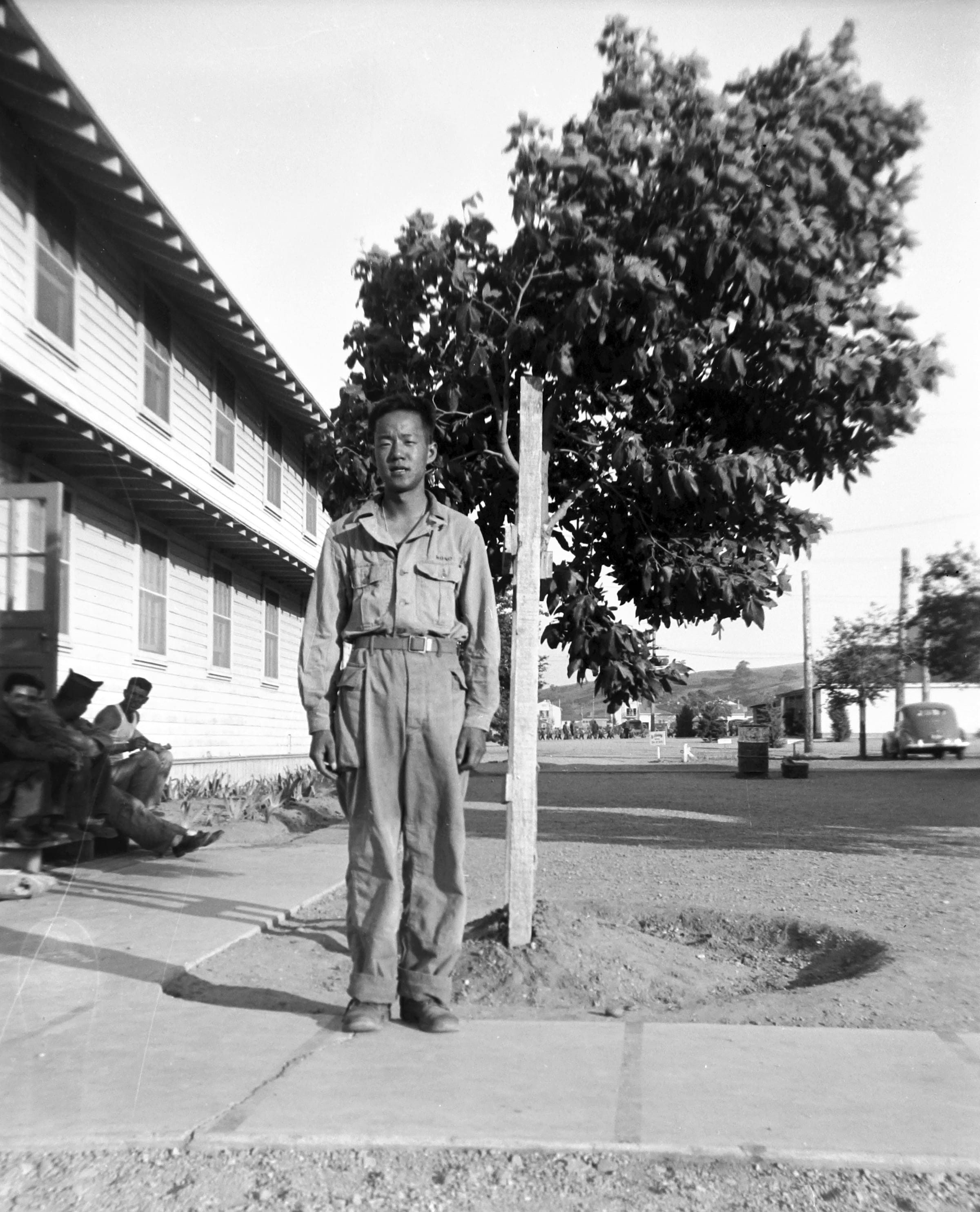
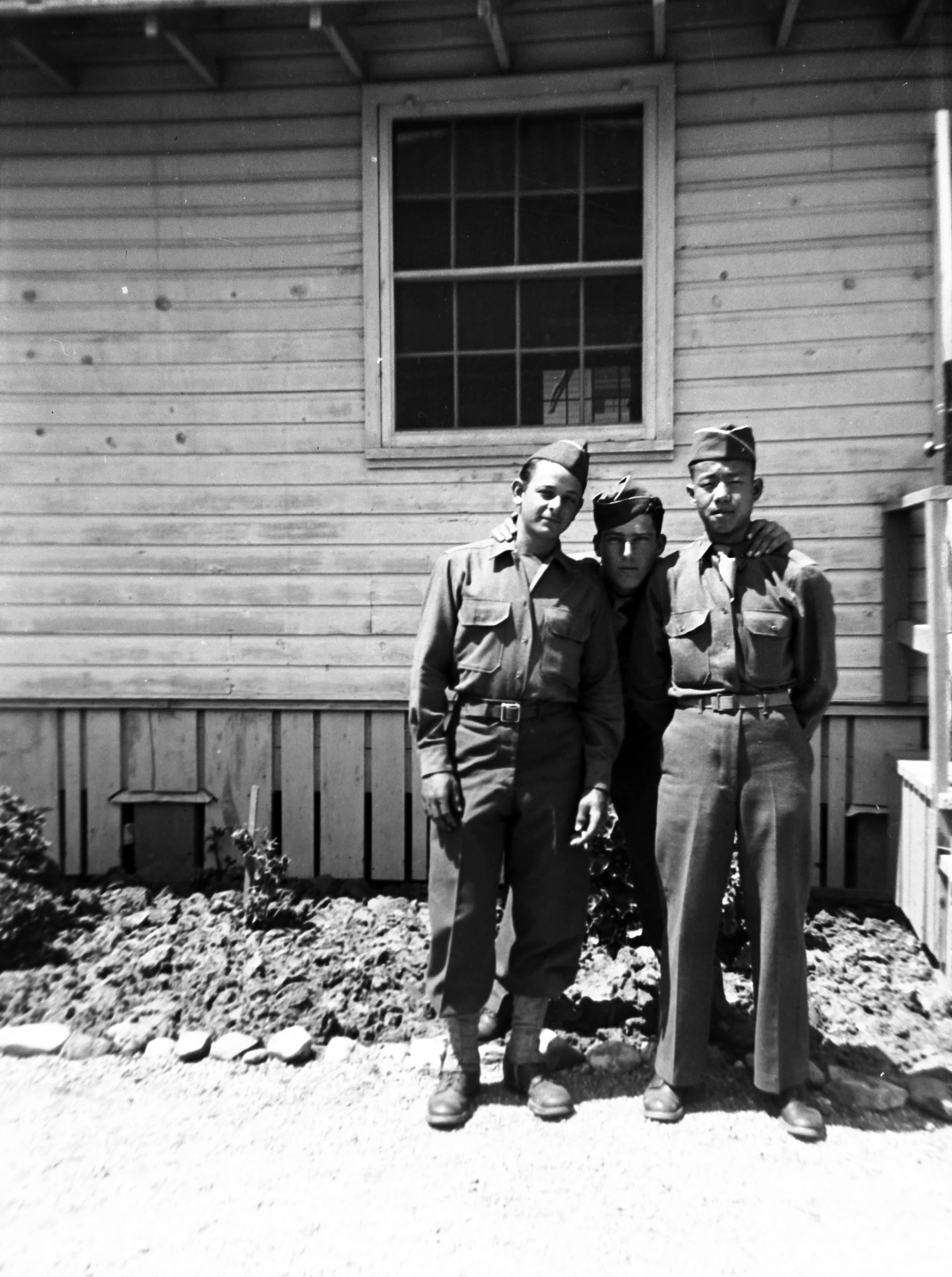
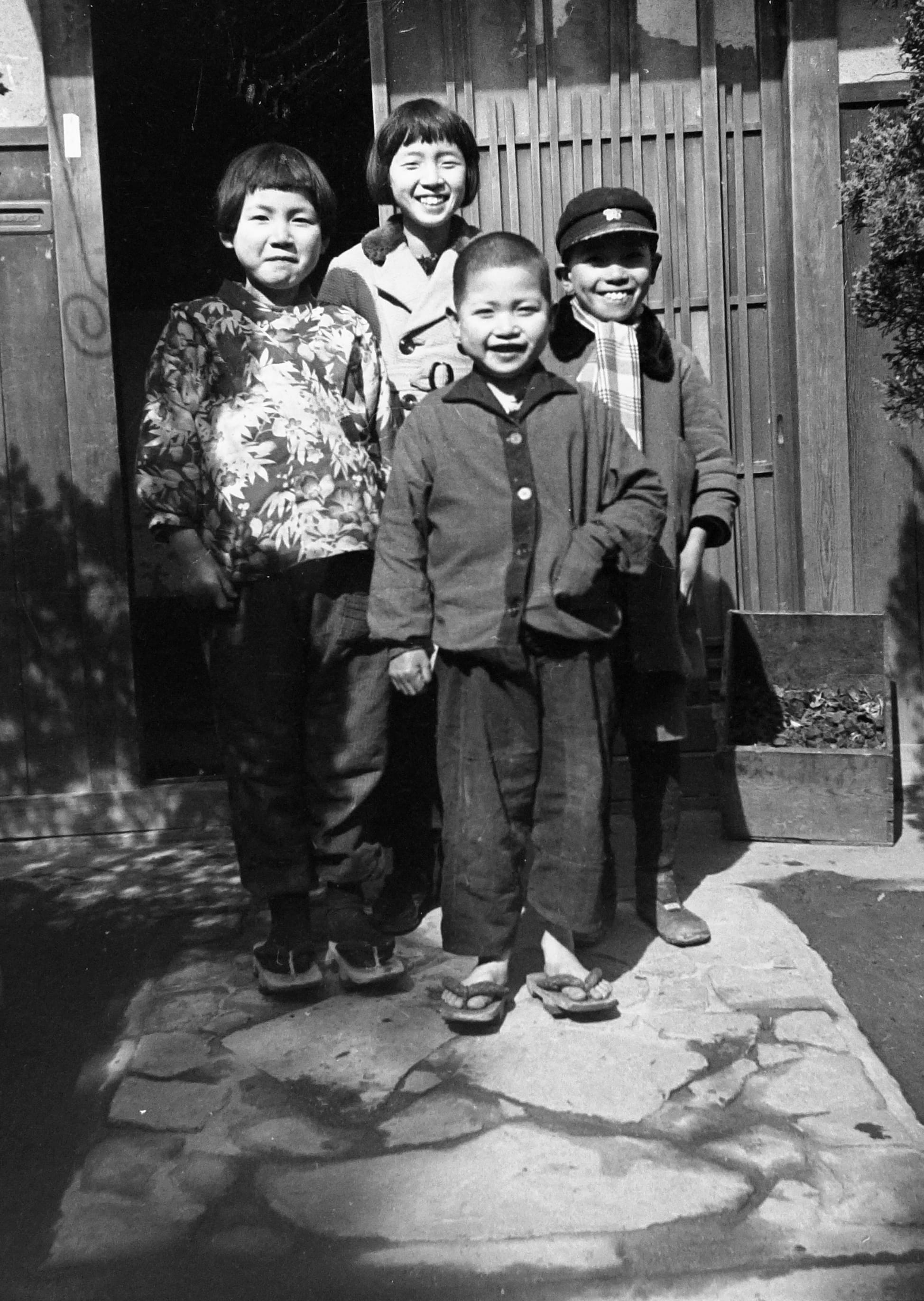
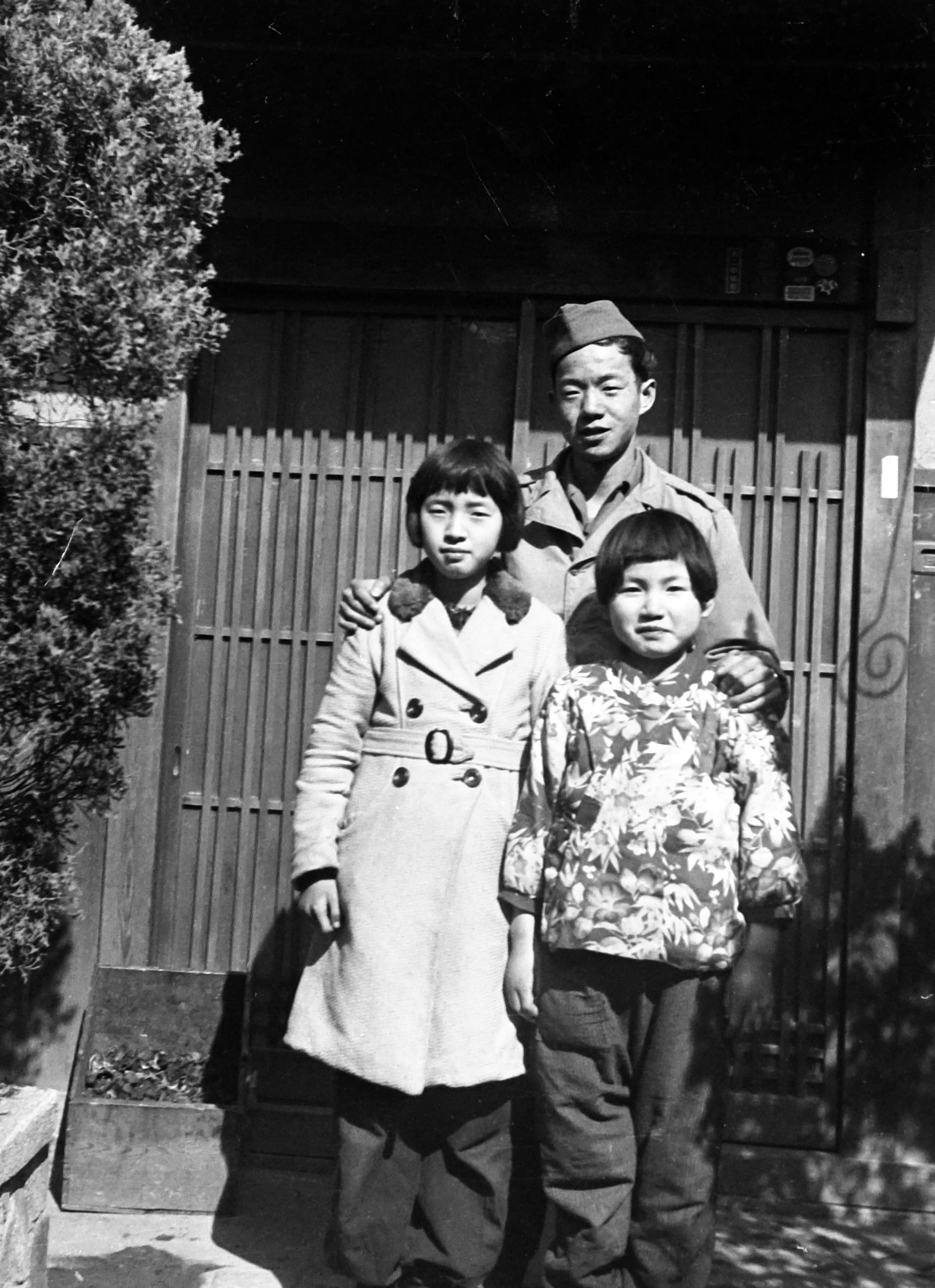
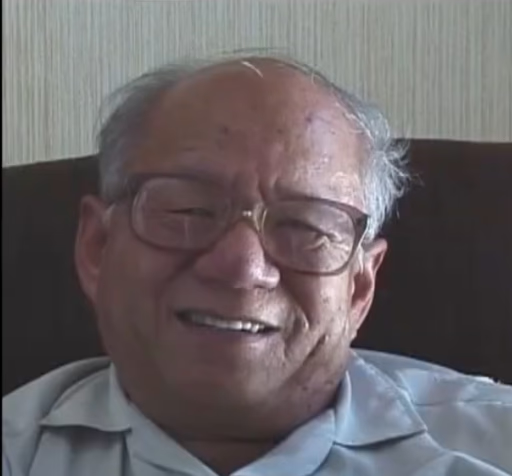
Wayne Wong's hidden archive — hundreds of unexposed 35mm photographs from post-war Japan, 1946
Experience Overview
Obscura is a gaze-driven documentary system consisting of two simultaneous experiences.
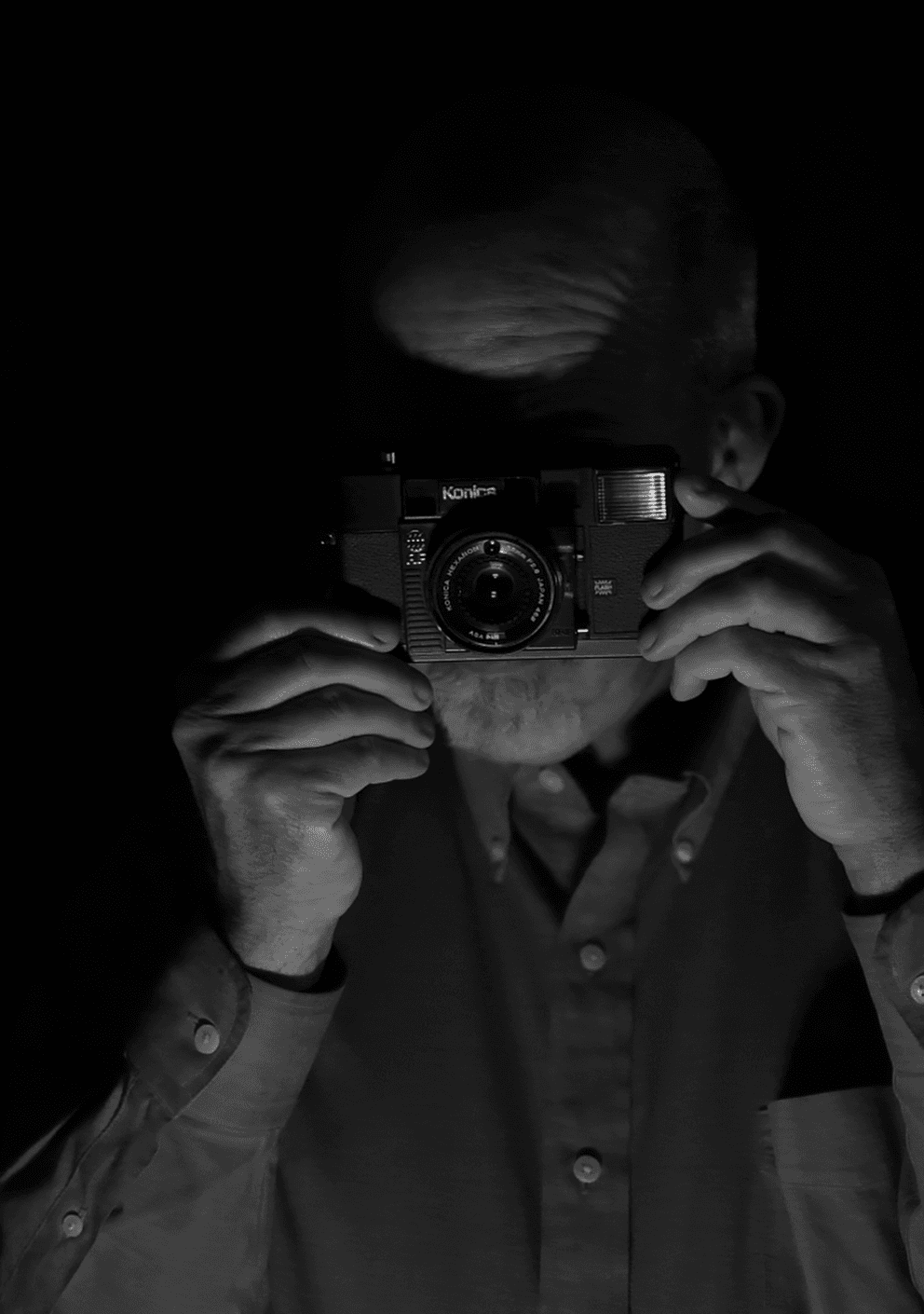
The Curator
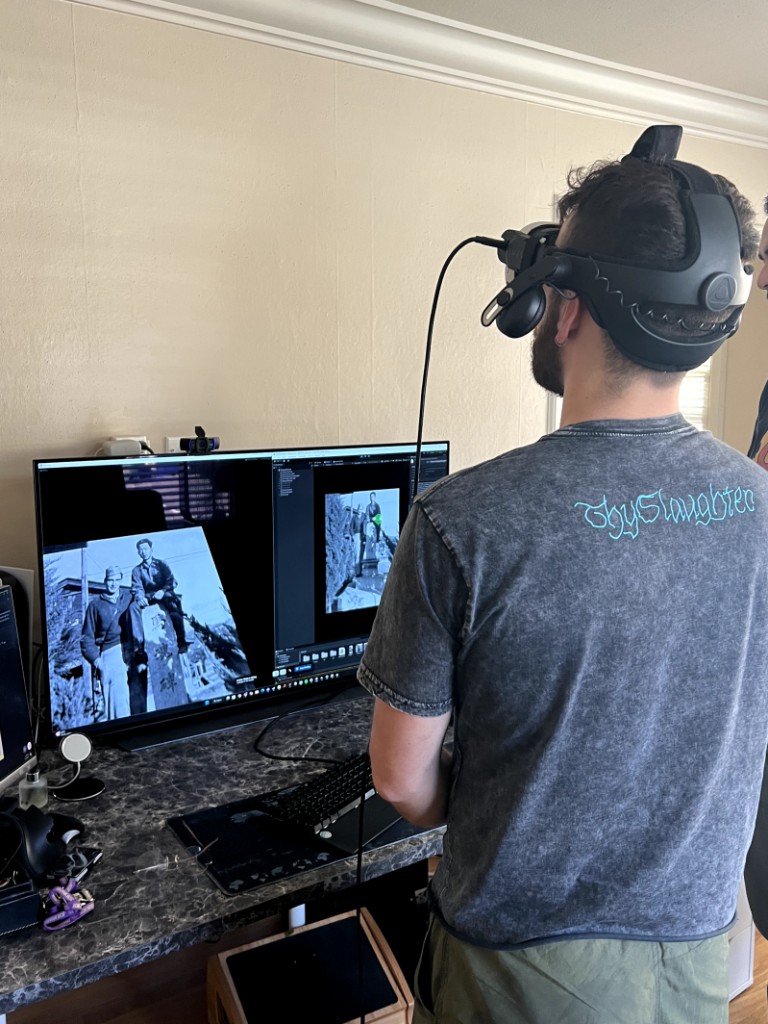
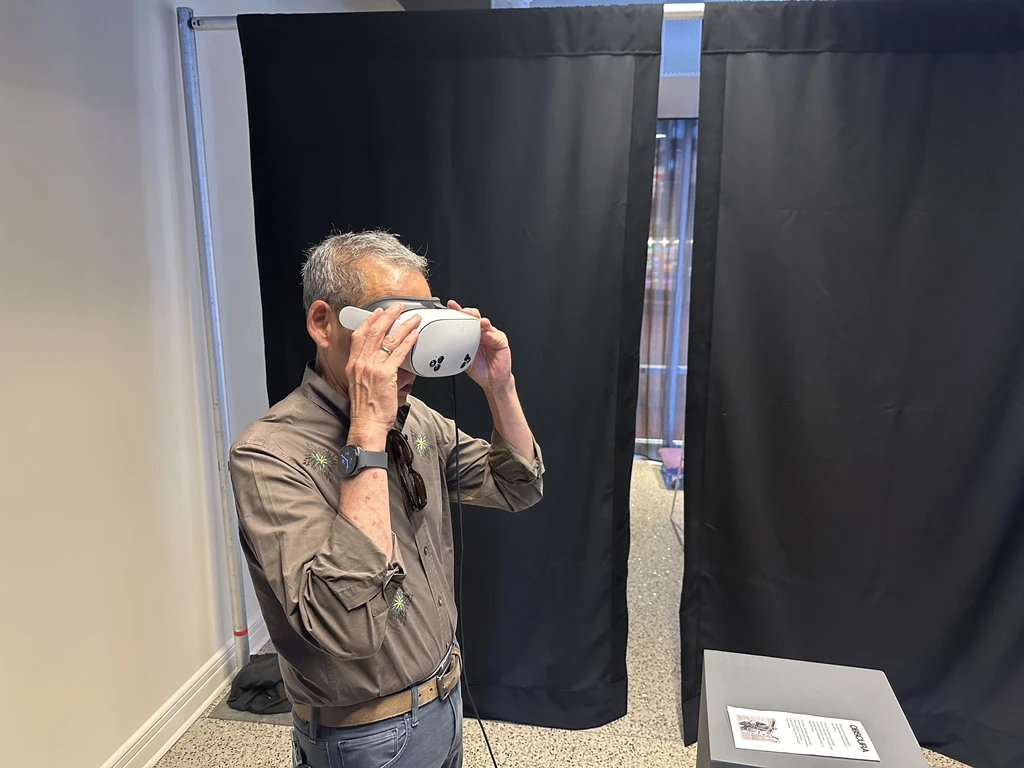
The viewer enters the booth and scans Wayne's photos through a viewfinder. Their gaze drives the narrative — dwell on faces and the story shifts to people.
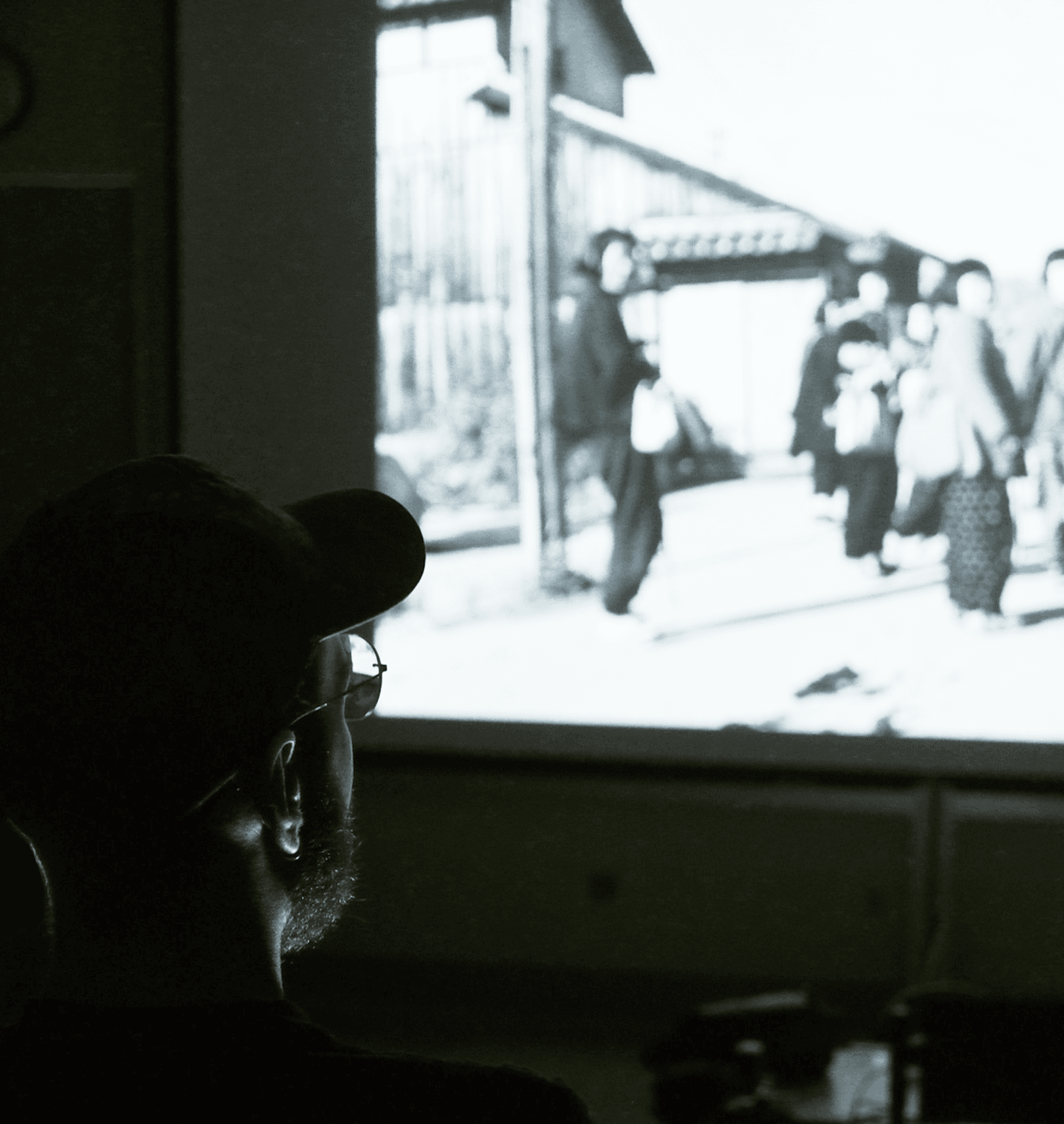
The Spectator
Outside the booth, an audience watches a projection of the viewer's journey. A gaze reticle shows what they're looking at, turning "looking" into performance.
Hover to unmute — the Curator View (inside the booth) and the Spectator View (audience outside).
End of Exhibition Day at MOHAI
Intent
We wanted to explore new ways to present images as an orchestrated experience.
Speak to the Audience While Respecting the Artist
Wayne took hundreds of photos but didn't talk about his intent. The exhibit allows users to view his photos, tracking what parts they dwell on. An external audience views through the first viewer's eyes, collectively defining the role of intent.
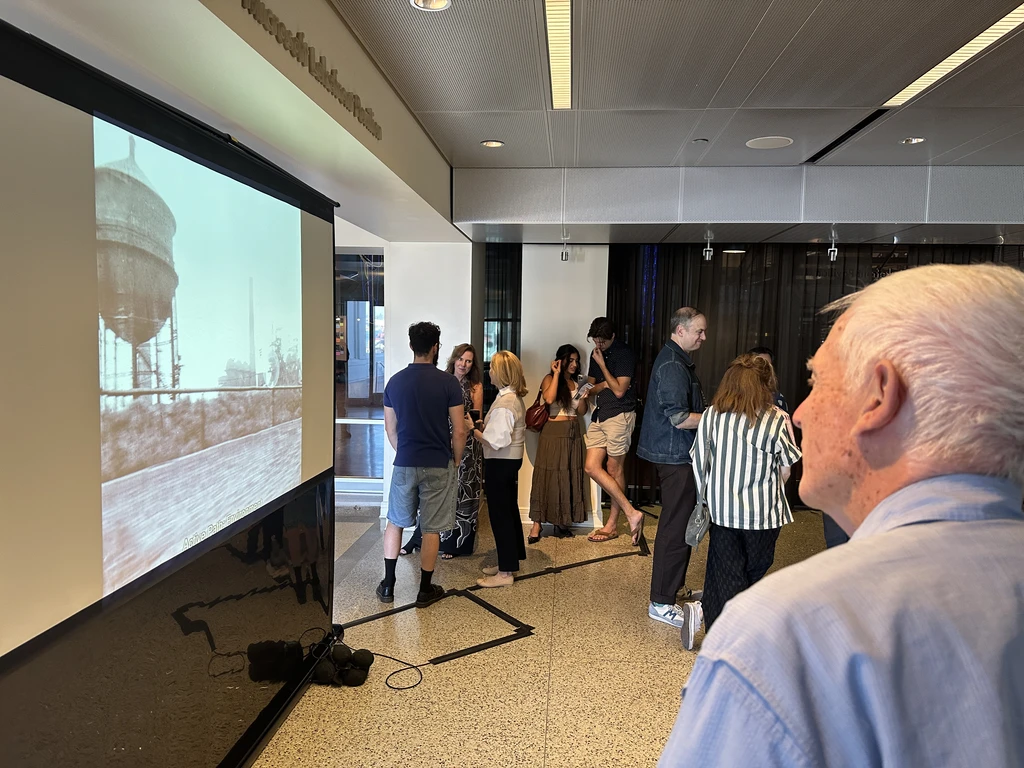
Build Anticipation
The “Audience View” offered a low-pressure way to engage before entering. People could wonder, “Why are they focused on the clothing instead of the temple?”. This turned waiting into an active, social event.
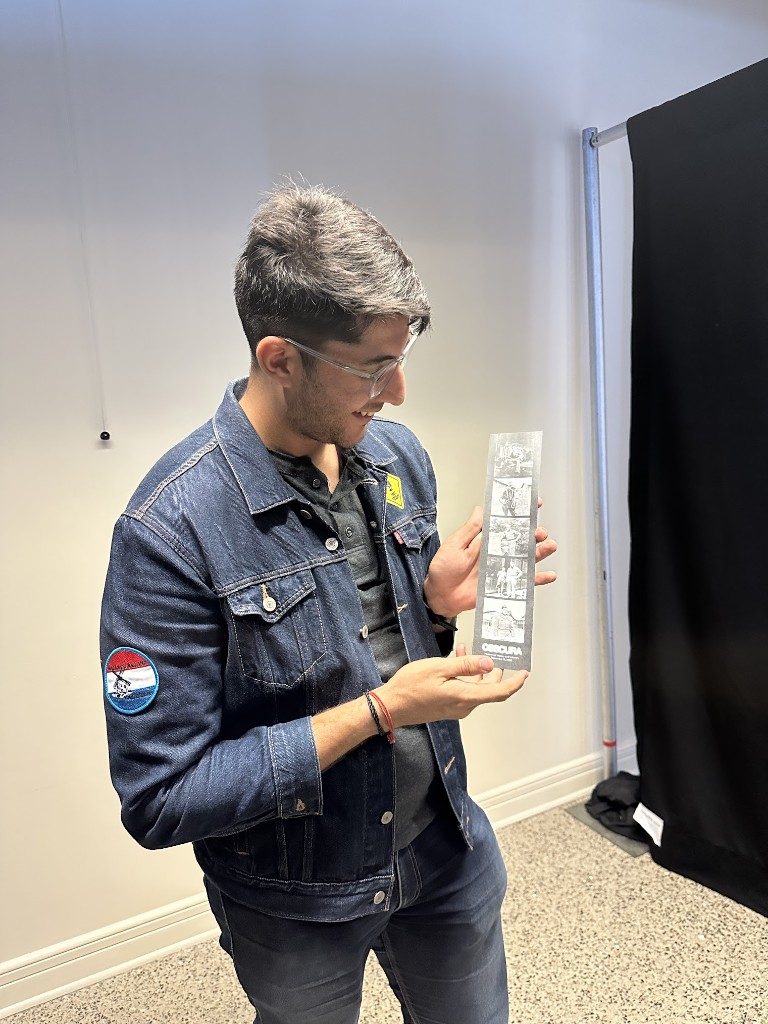
Give People Something to Talk About
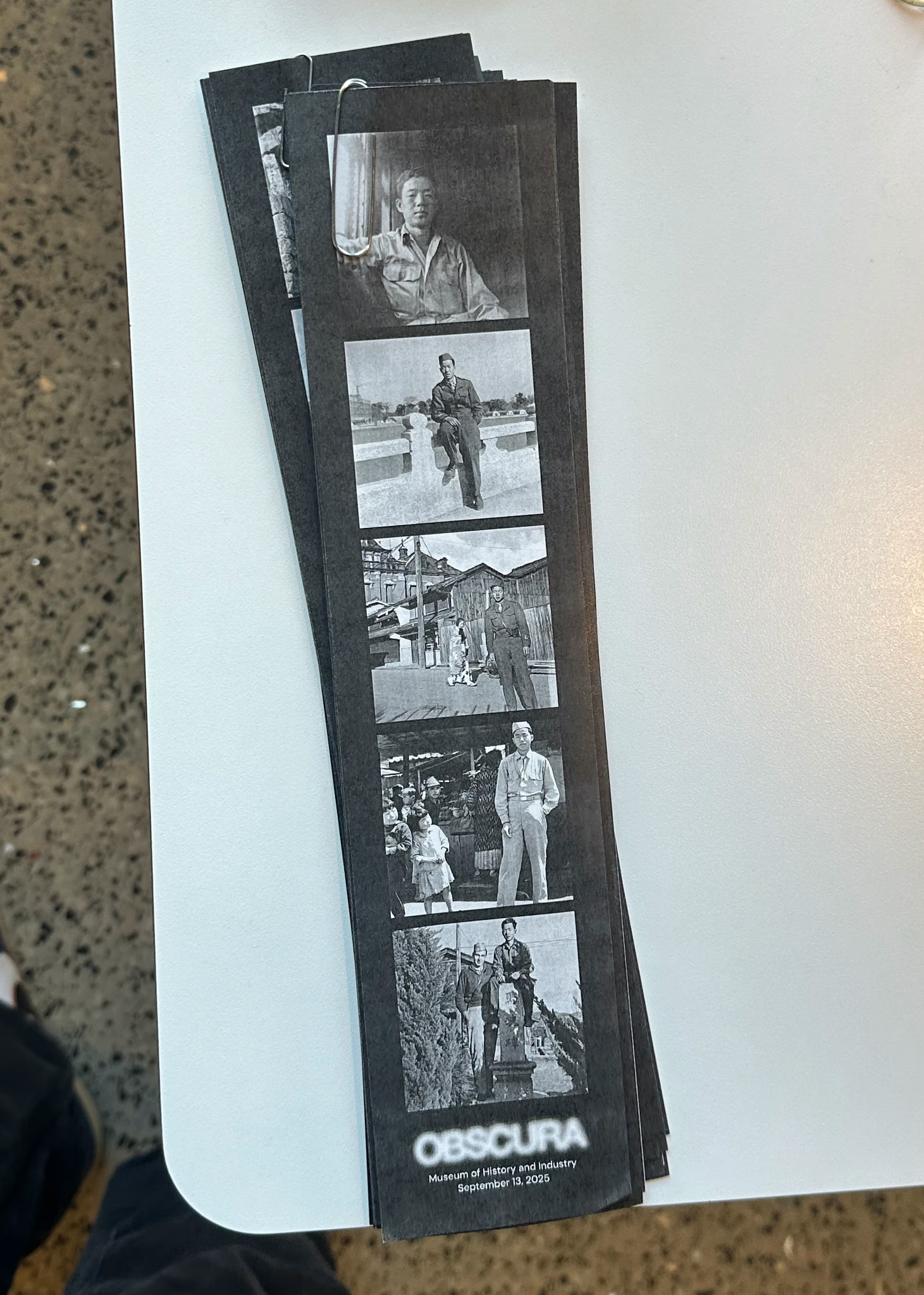
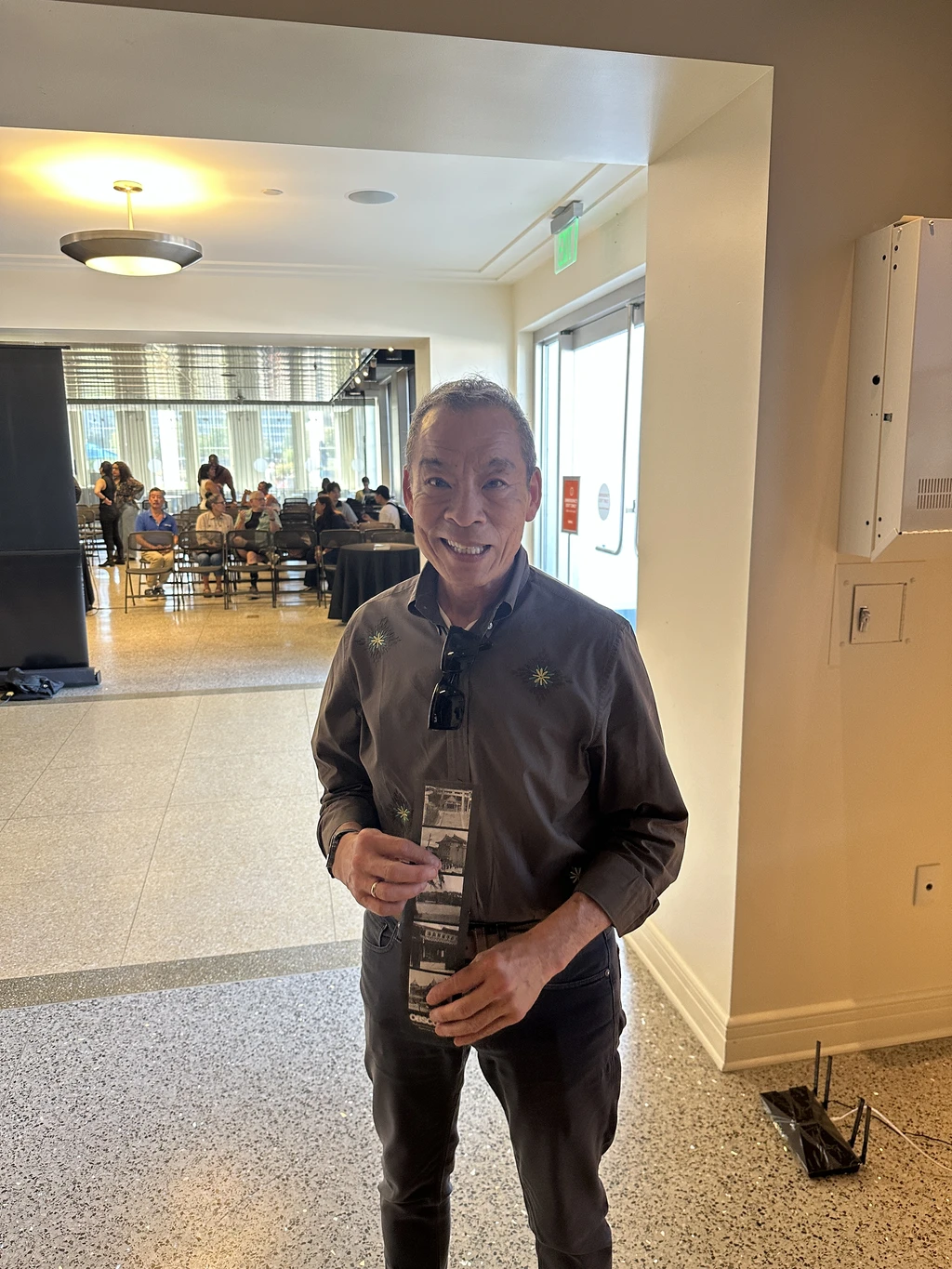
Recognizing the value of conversation before and after an experience, I designed a photo-strip souvenir. This strip visualizes which parts of an image participants looked at most.
Create Space for Meaningful Engagement
Today's image engagement, largely through social media, often overlooks the significance of what we see. Wayne's photos, from a time when images held gravity, regain that importance in this exhibit.
Making Meaning
Designing for Connection, Intent, and Curiosity.
How might we give an audience a meaningful encounter with photographs whose meaning was never meant for them?
We began with a blurry image of what to make. To find clarity, we moved away from abstract theory and went directly to the source.
We interviewed Subject Matter Experts in museology and history, but most importantly, we conducted deep-dive interviews with younger Asian Americans to understand how they engage with historical imagery in the digital age. Three themes emerged:
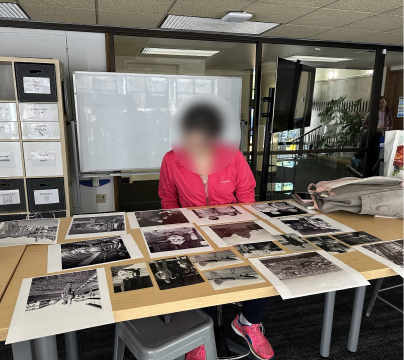
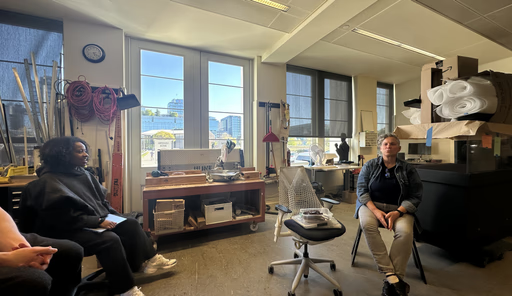
“Looking at old family photos can be very emotional. I'm the youngest of a very big family. So there's a lot of family history that I have no experience of, so getting to engage with photos from that time is really meaningful.”
Interview Participant — On Connection & Family History
“He took many pictures of kids. I wonder how he got to know them? Did he ask if he could take the picture? Especially the kids… Did he know them?”
Interview Participant — On The Mystery of Intent
“It's a really disorienting thing where you're scrolling, and you're watching something that's funny, and then you're looking at a recipe, and the next picture is of an atrocity.”
Interview Participant — On Modern Media Fatigue
Connection
People encounter historical imagery through the lens of personal family memory, not historical distance.
The Mystery of Intent
Viewers project questions onto images when context is absent — the gap is the engagement.
Scroll Fatigue
The speed and flattening of modern image consumption had made people hungry for slowness and weight, even if they couldn't name it. These three themes became the design pillars of the exhibit.
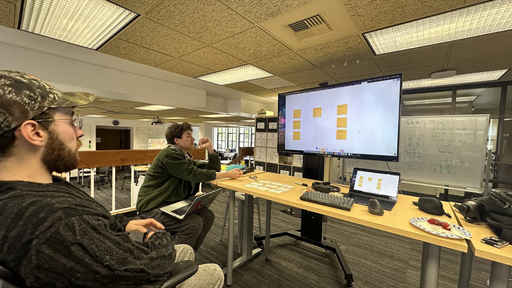
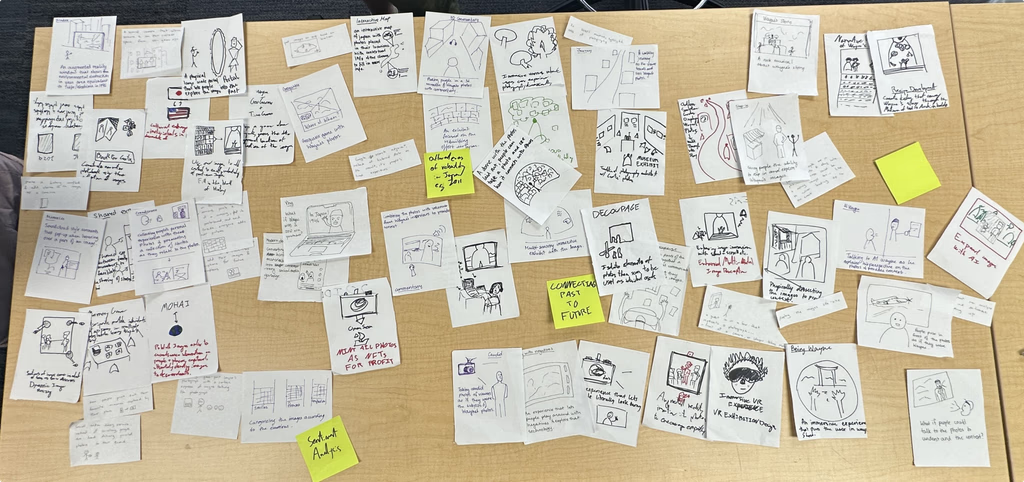
Research, interviews, and ideation — generating over 80 concepts before aligning on five “North Star” adjectives.
These adjectives became the filter for every design decision from there forward.
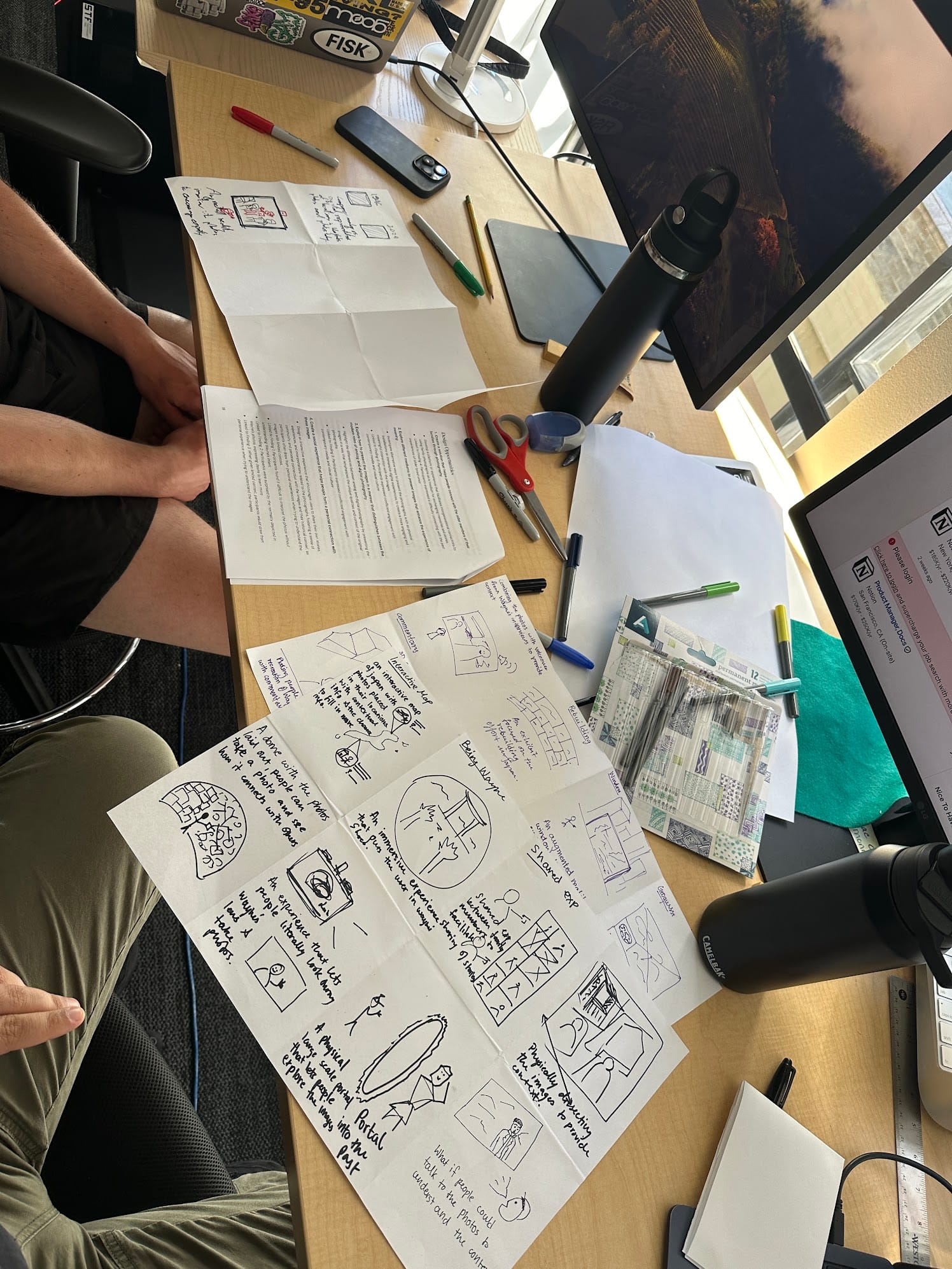
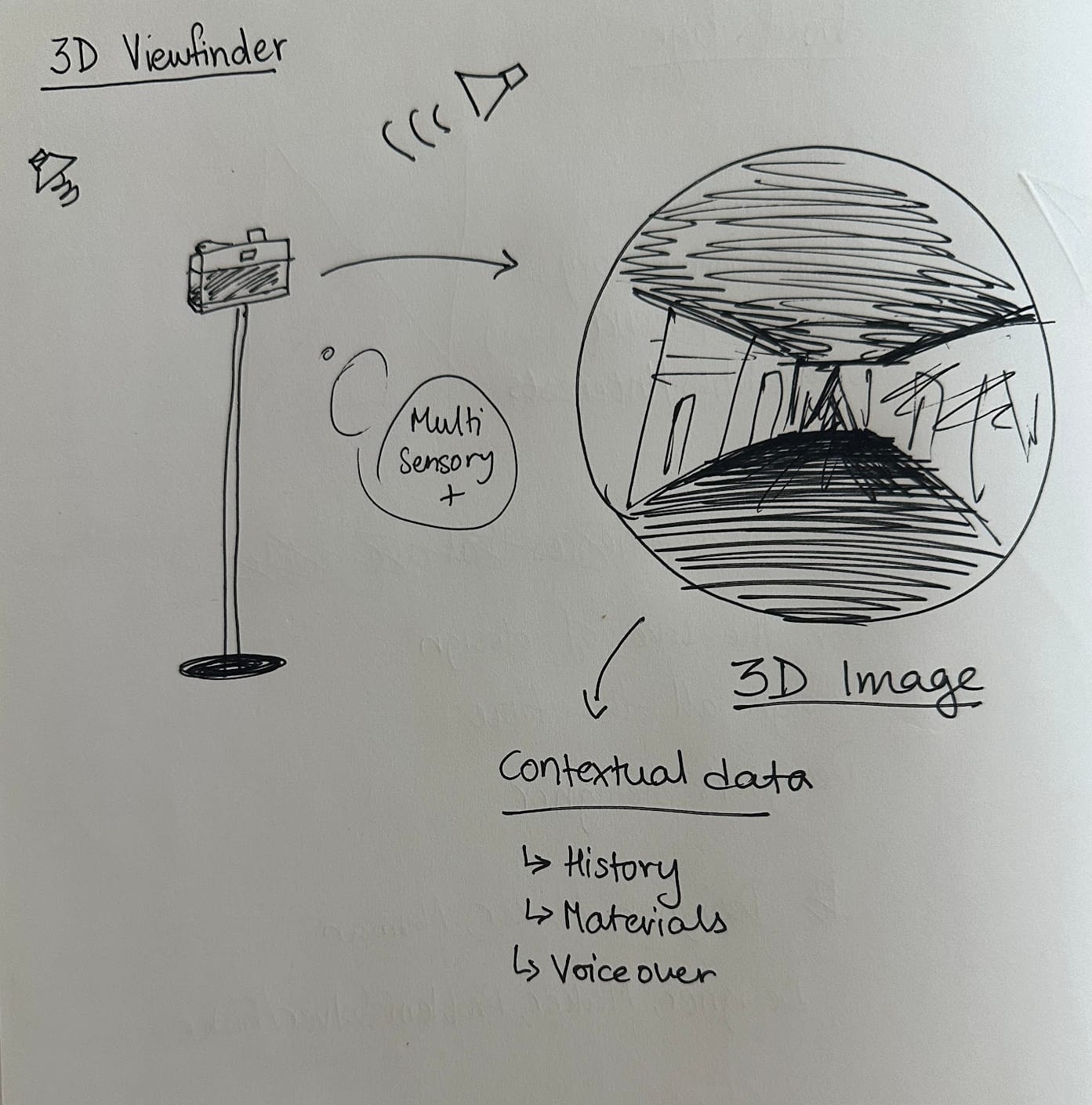
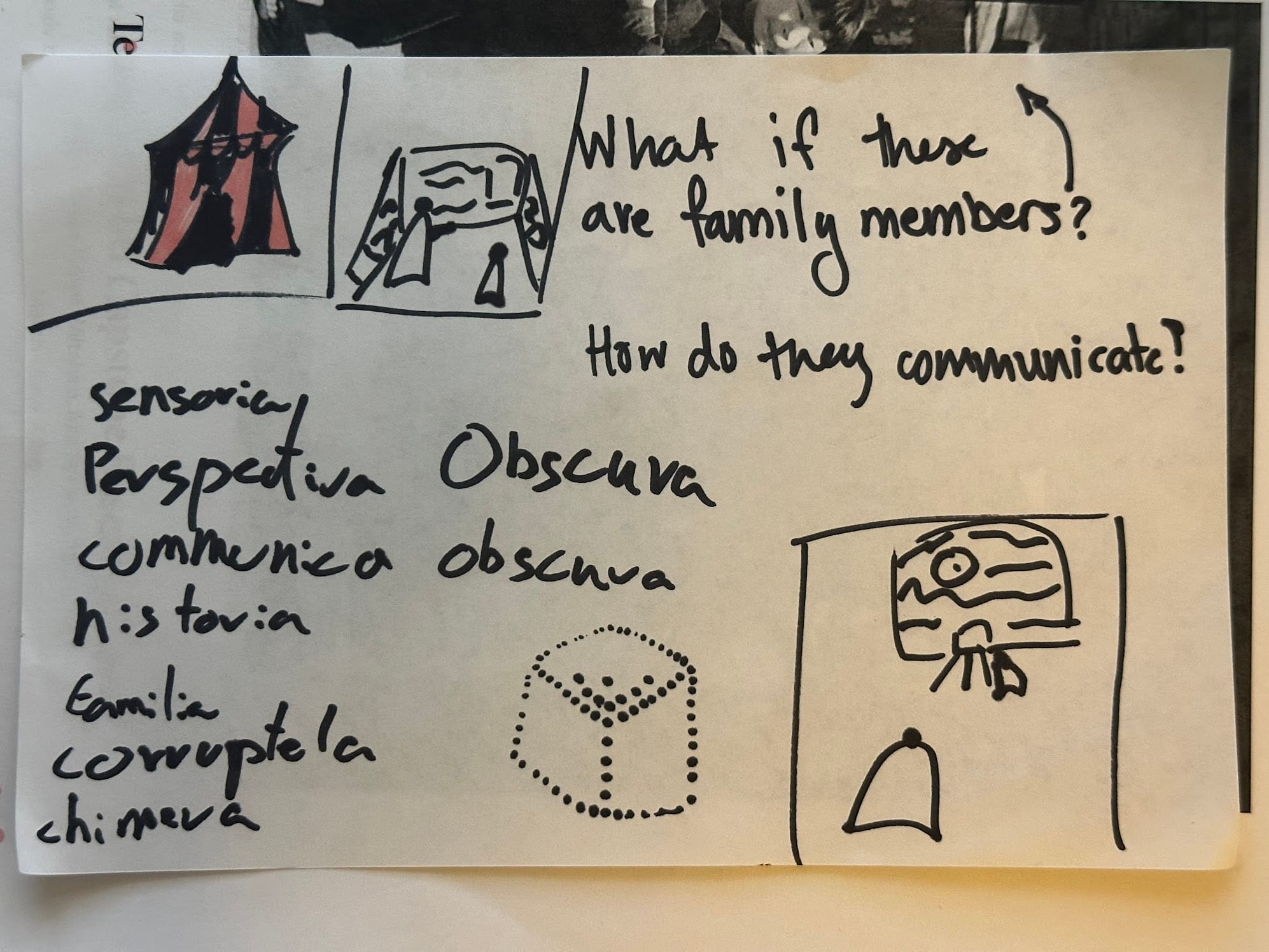
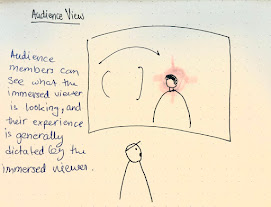
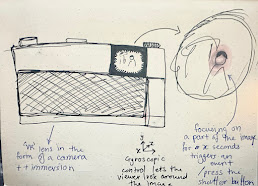
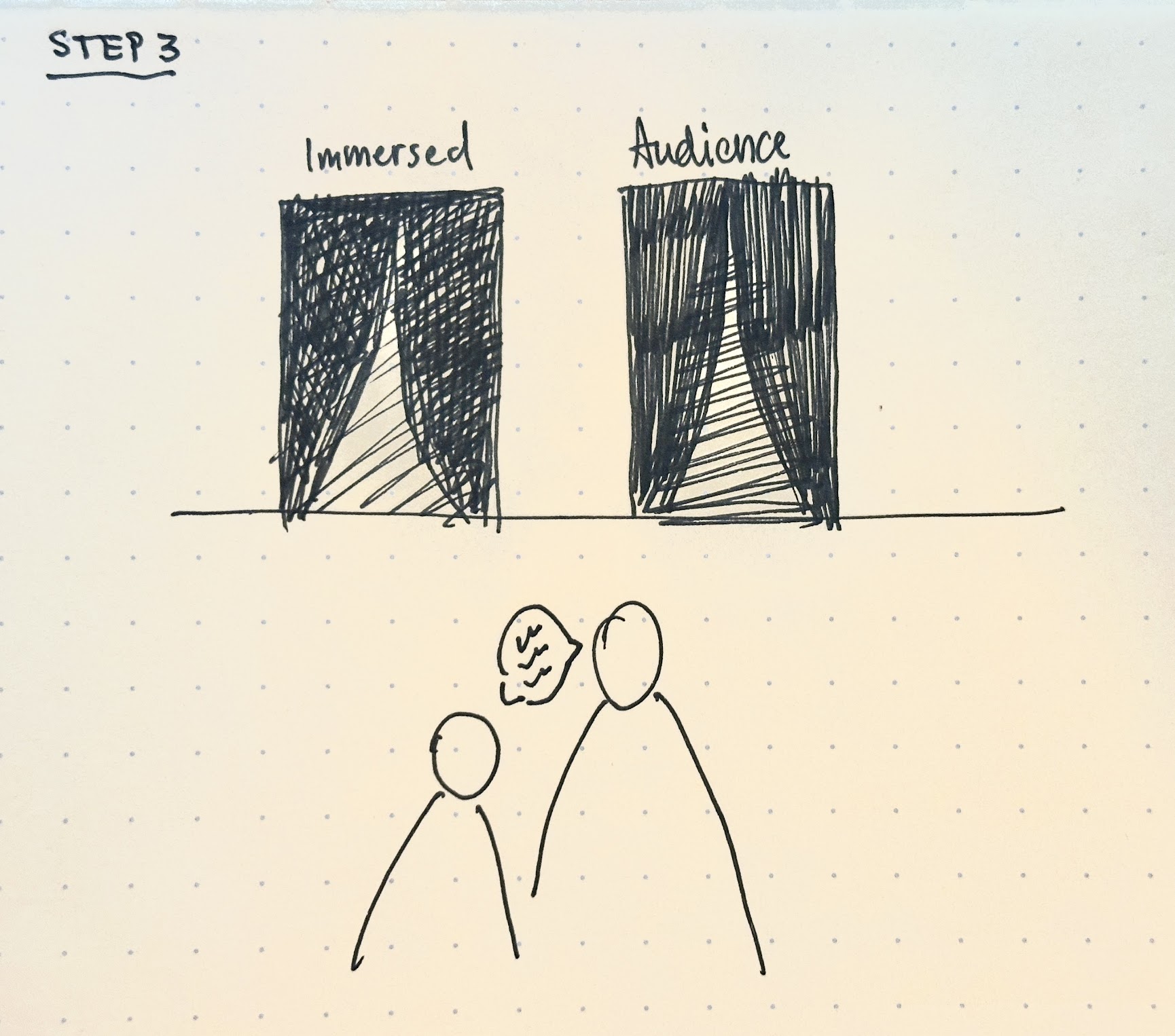
Early concept sketches exploring spatial layout, viewer interaction, and gaze-tracking visualization.
Because we were creating an asynchronous experience dictated by attention, standard wireframes failed. I used high-fidelity storyboarding to map the emotional journey:
- The moment a visitor first sees the audience projection and grows curious
- The transition from spectator to participant as they enter the booth
- The private act of looking
- The “Souvenir Moment” at the exit — where a printed photo-strip gives them something physical to carry out and compare with others
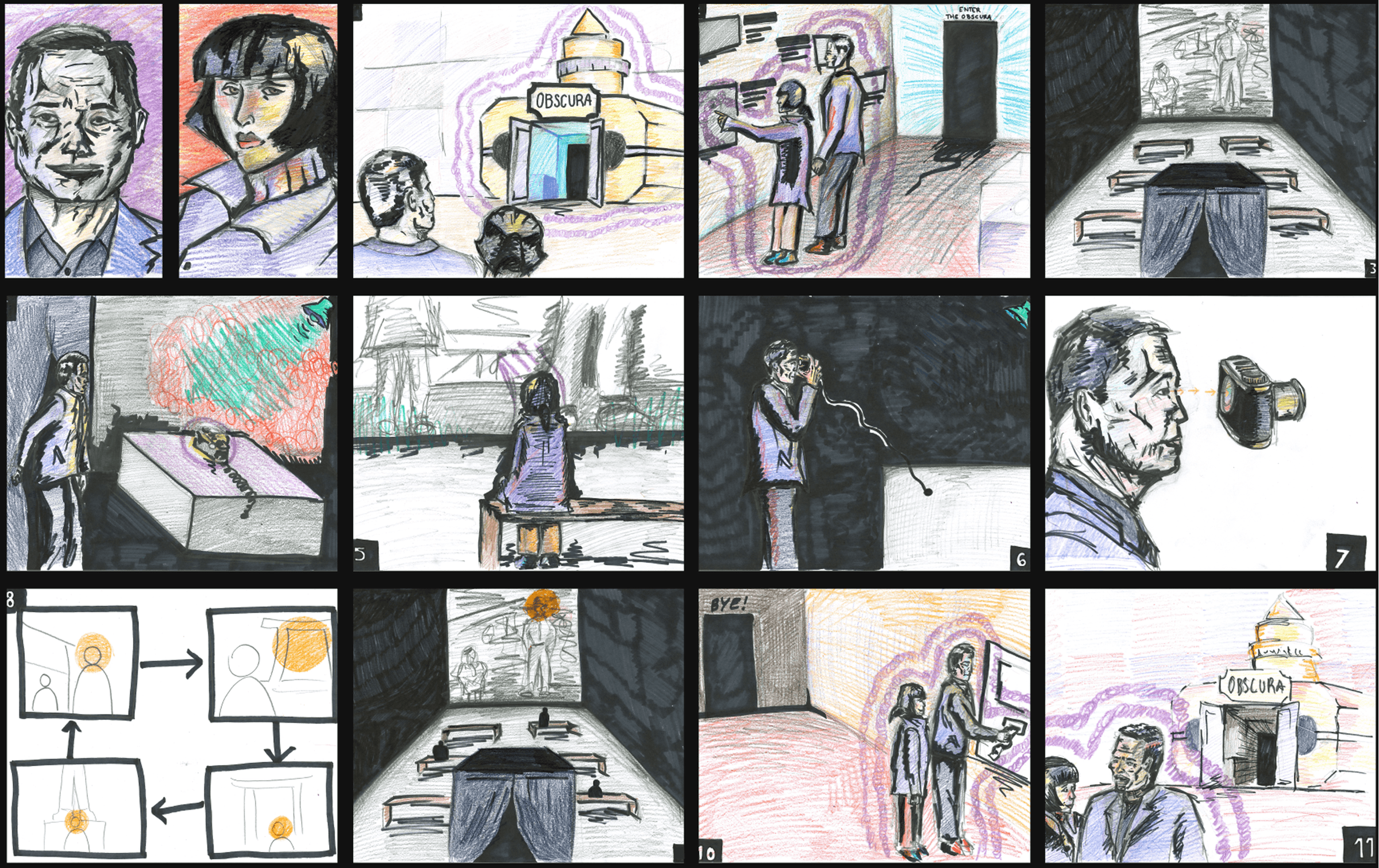
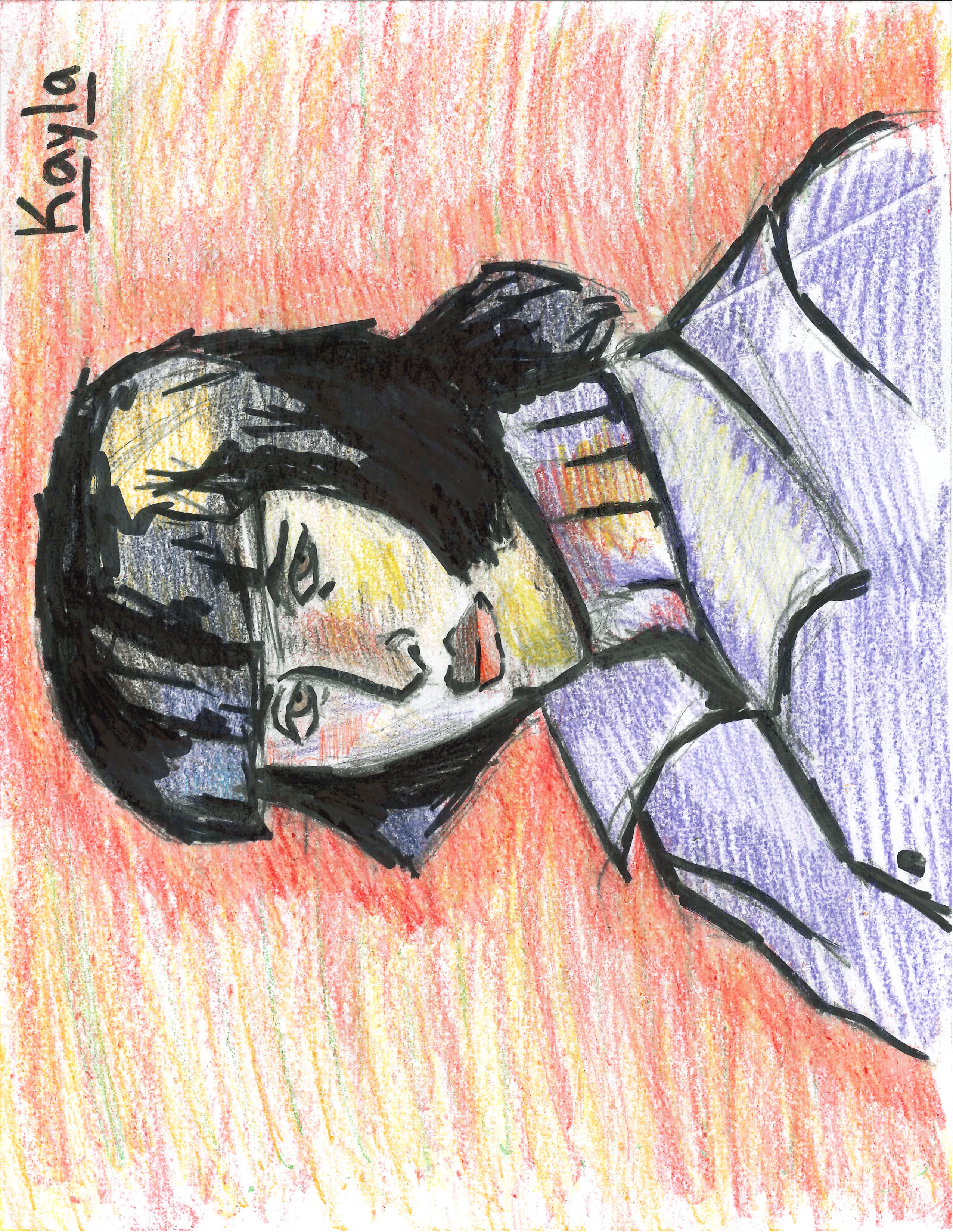
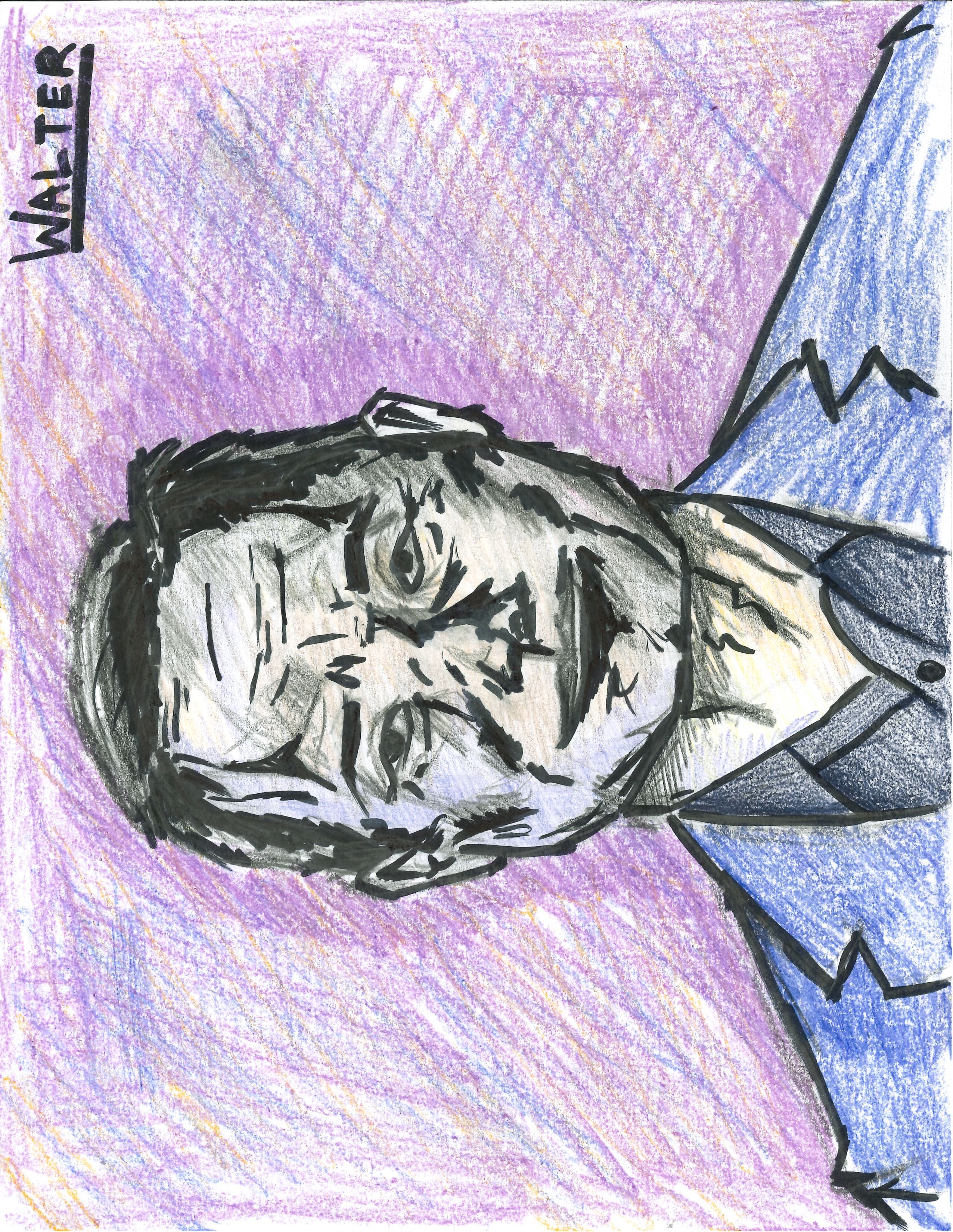
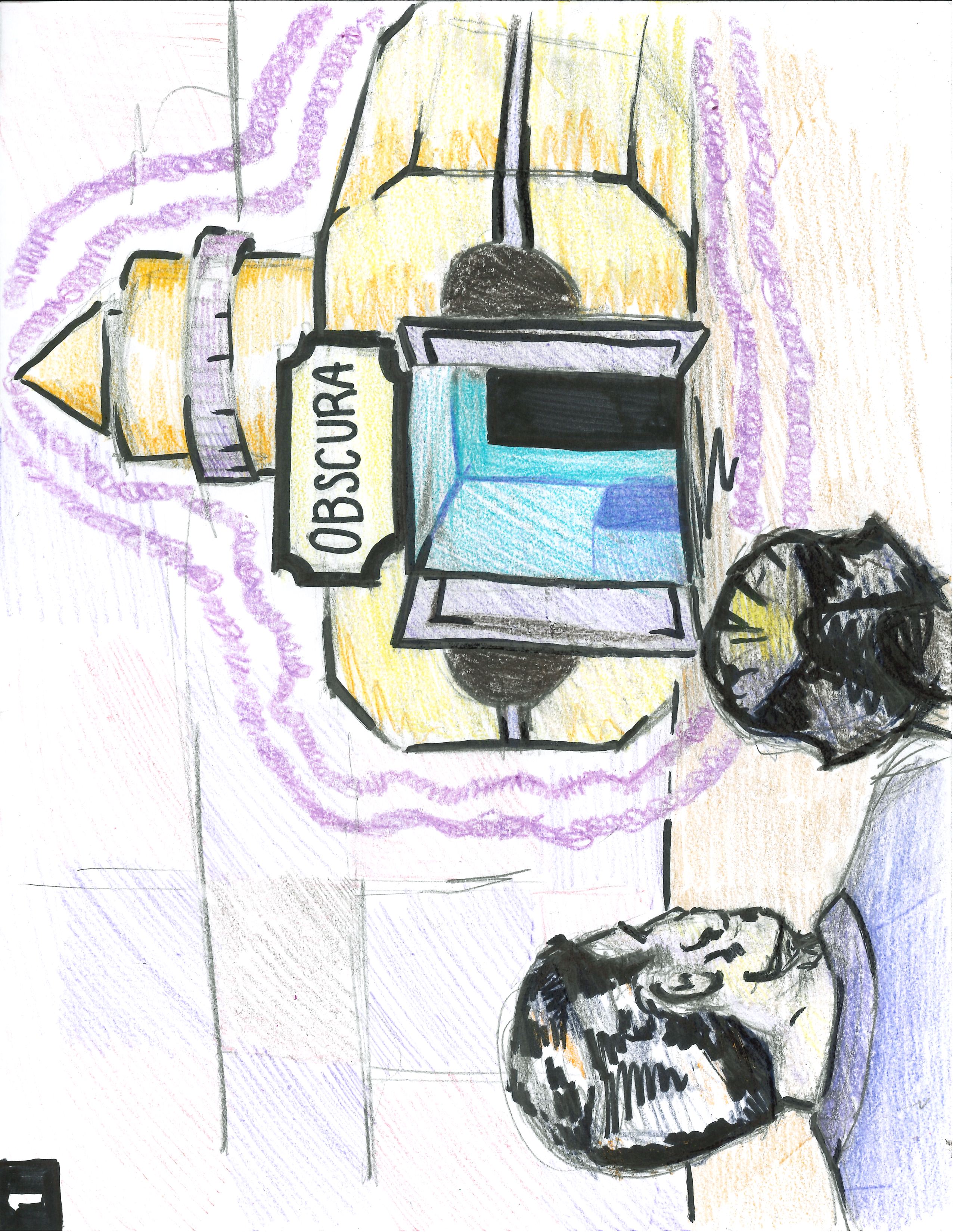
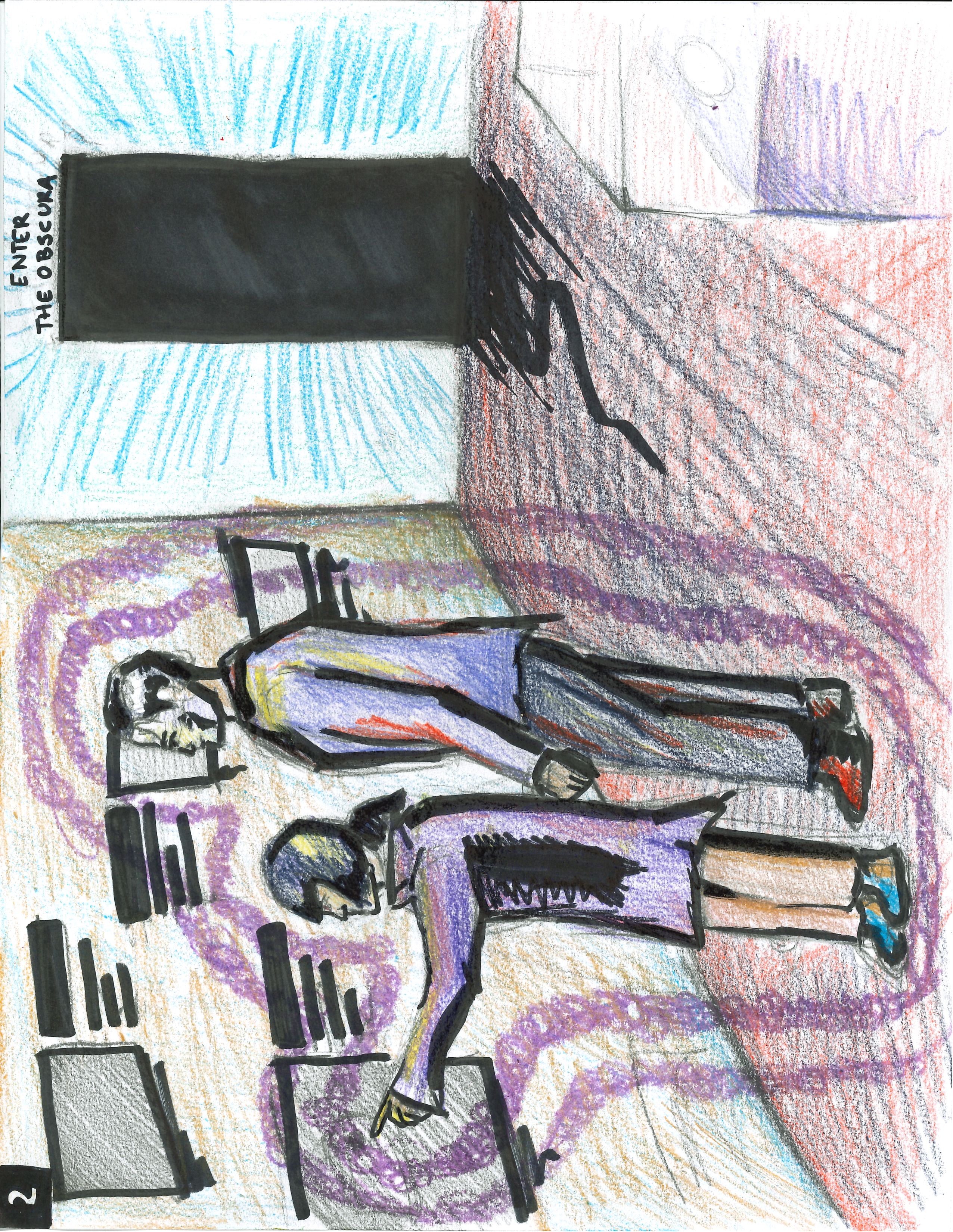
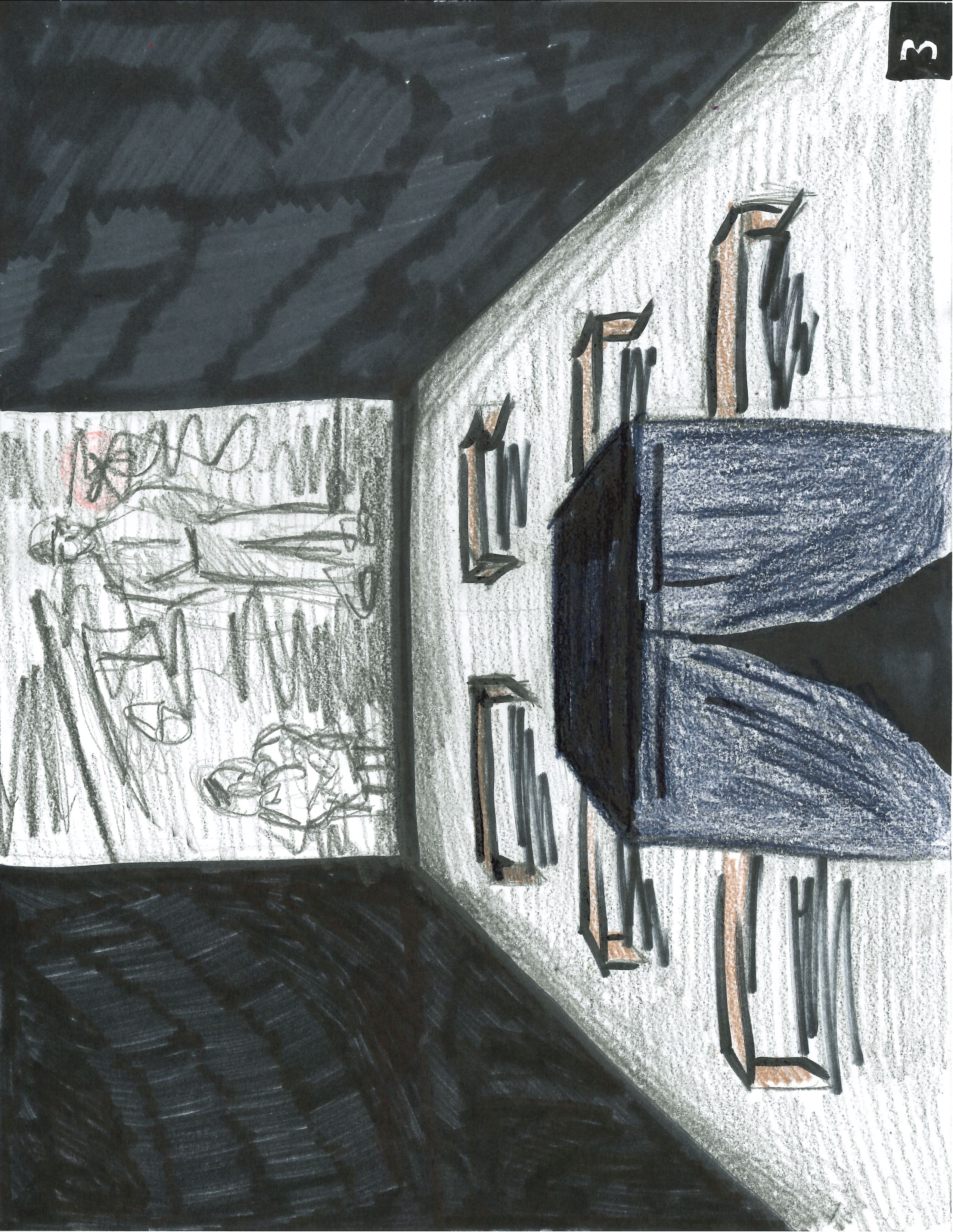
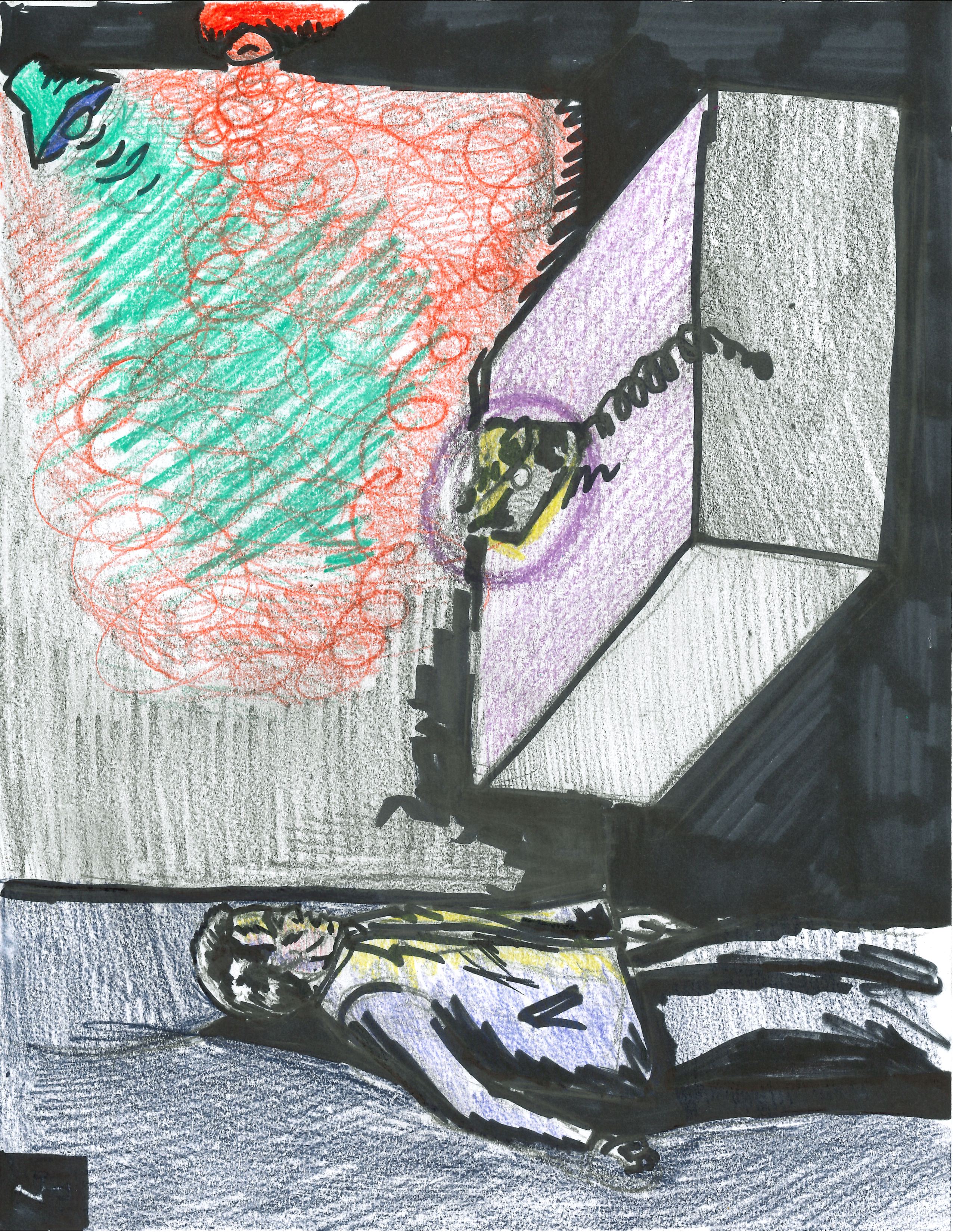
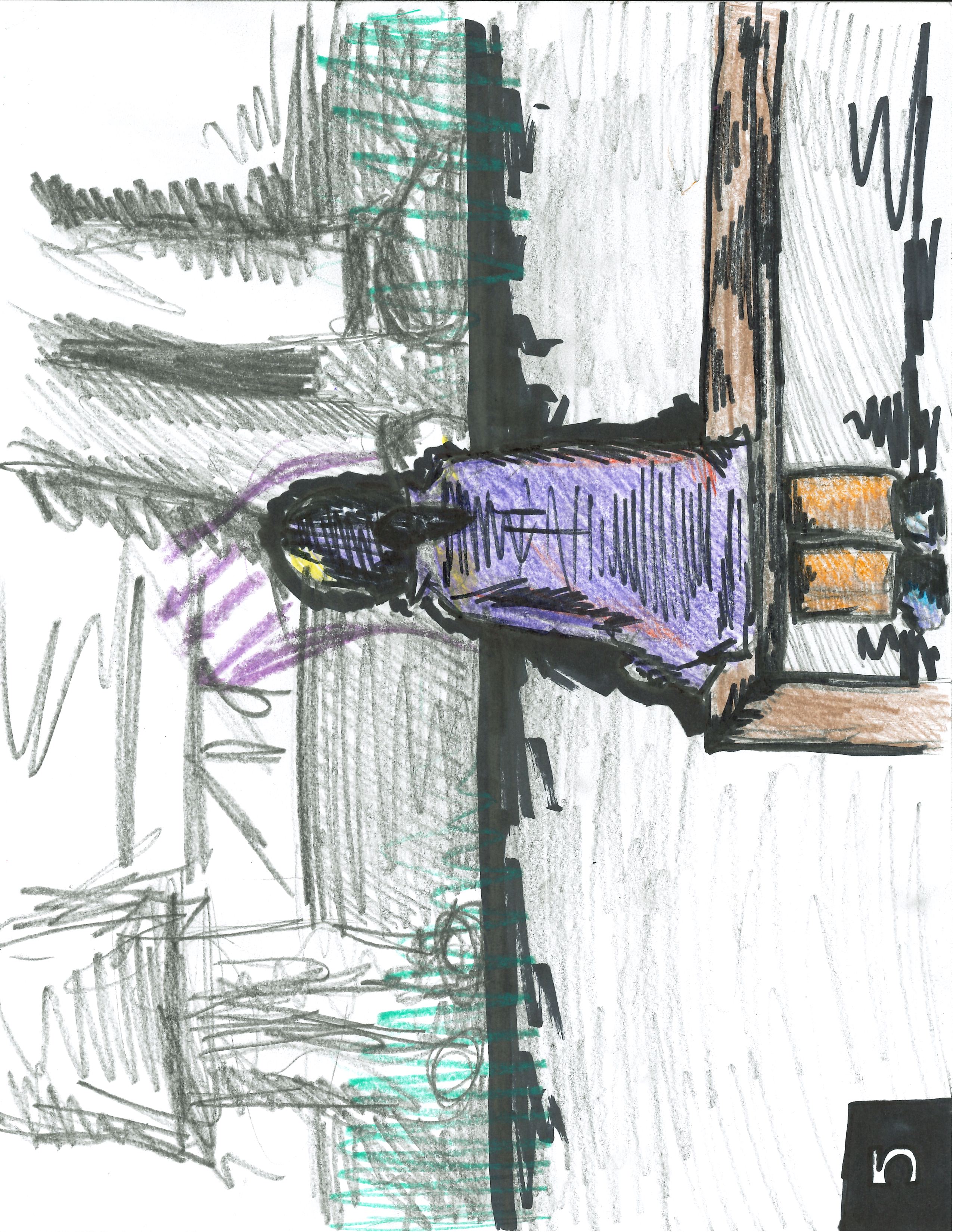
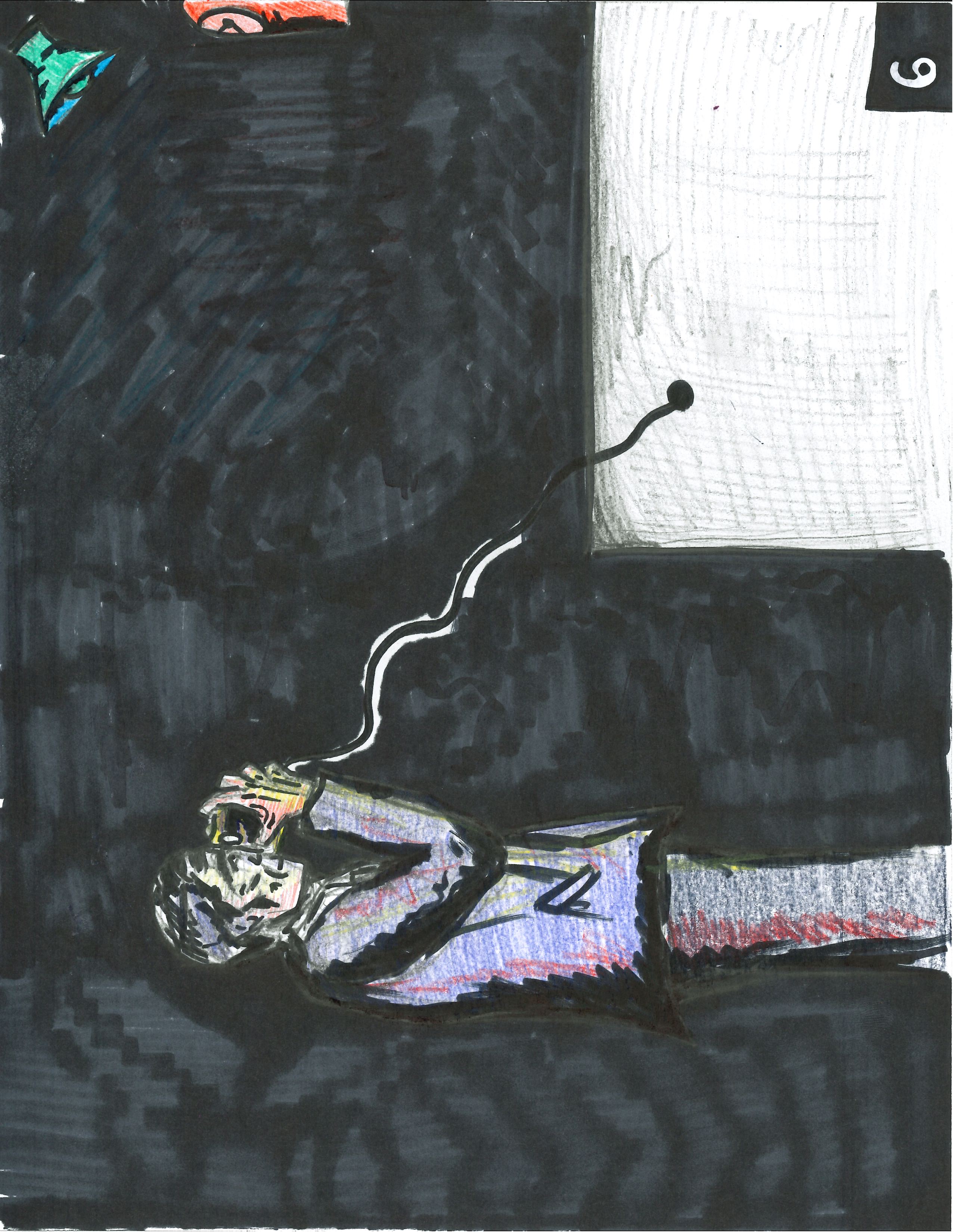
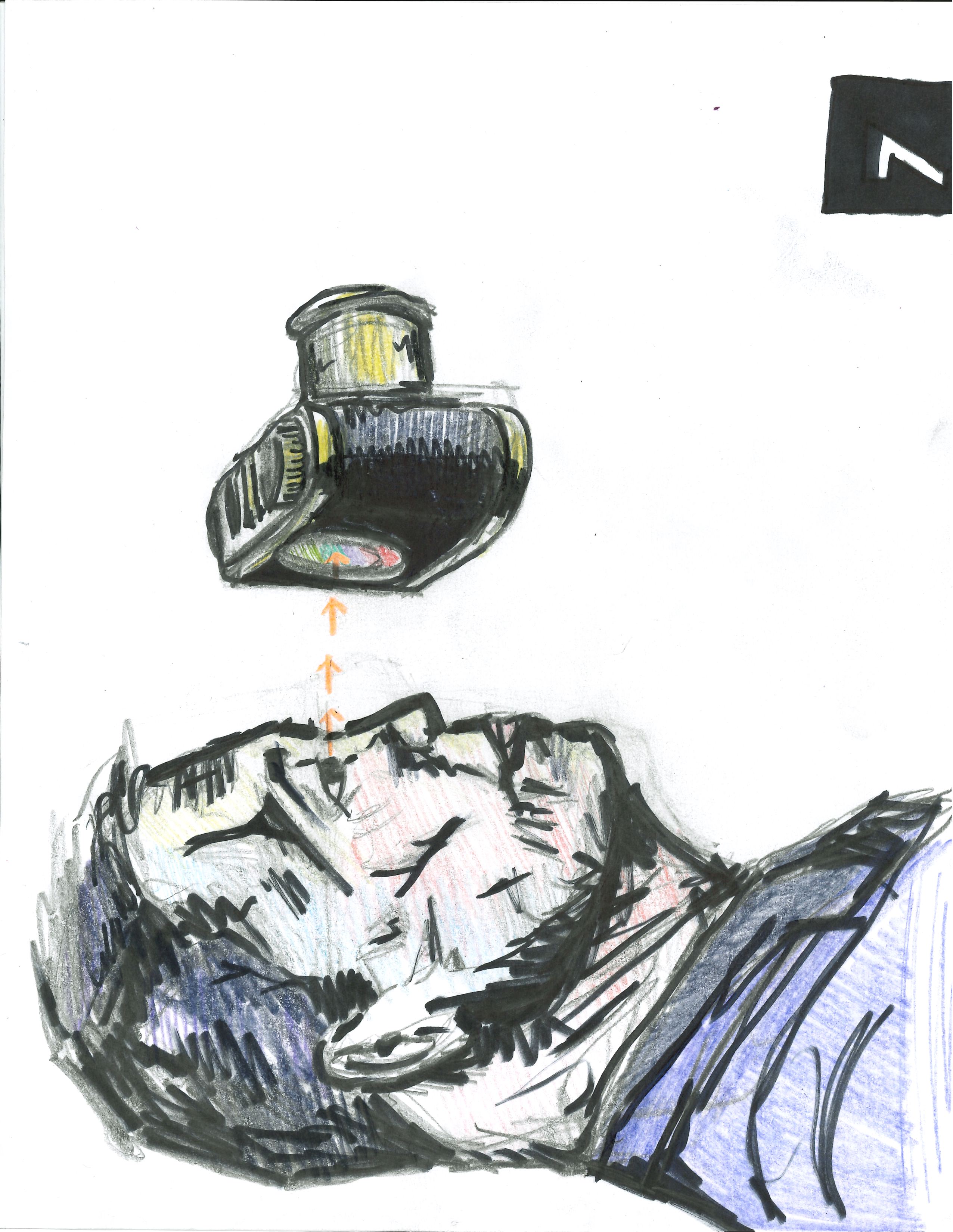
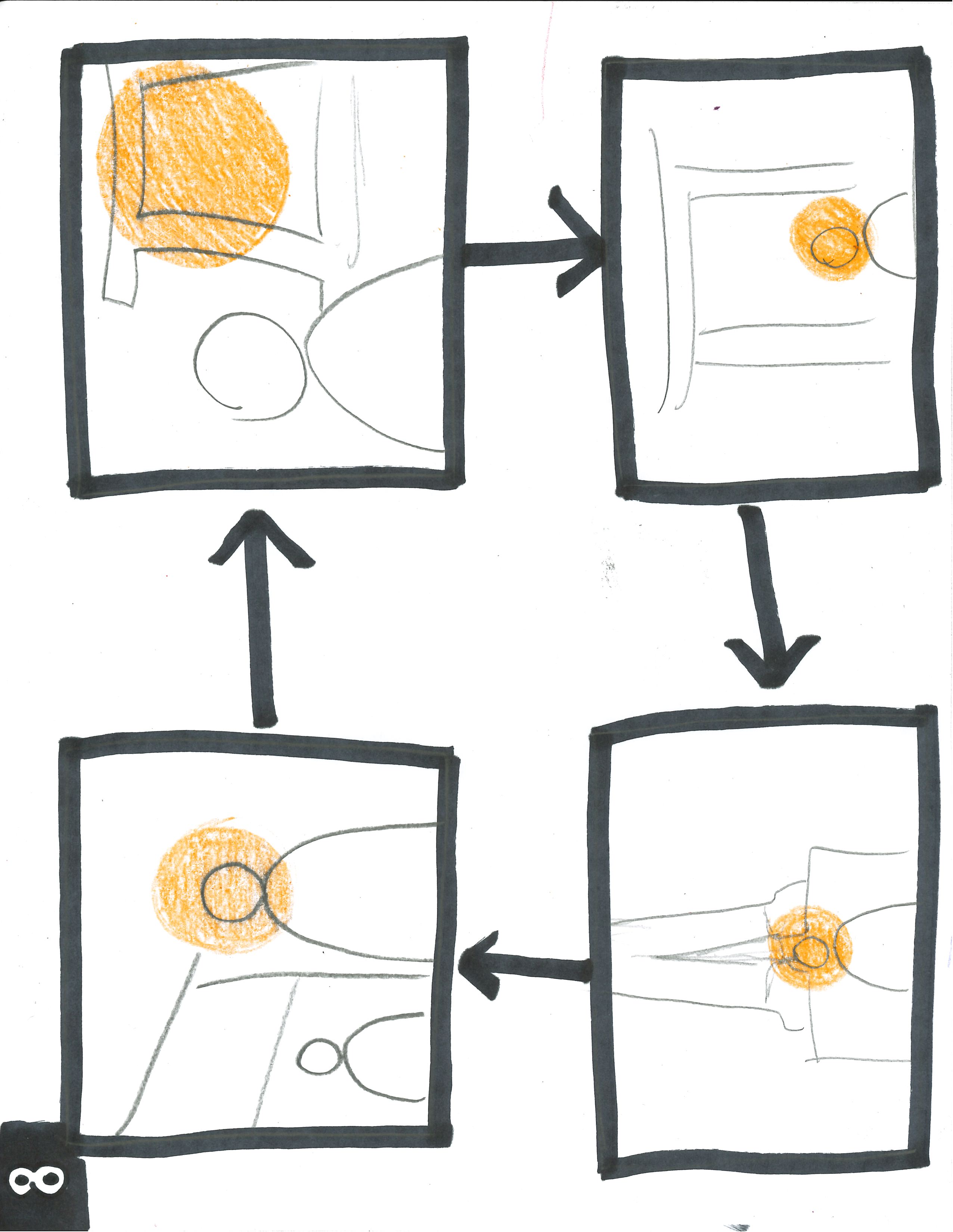
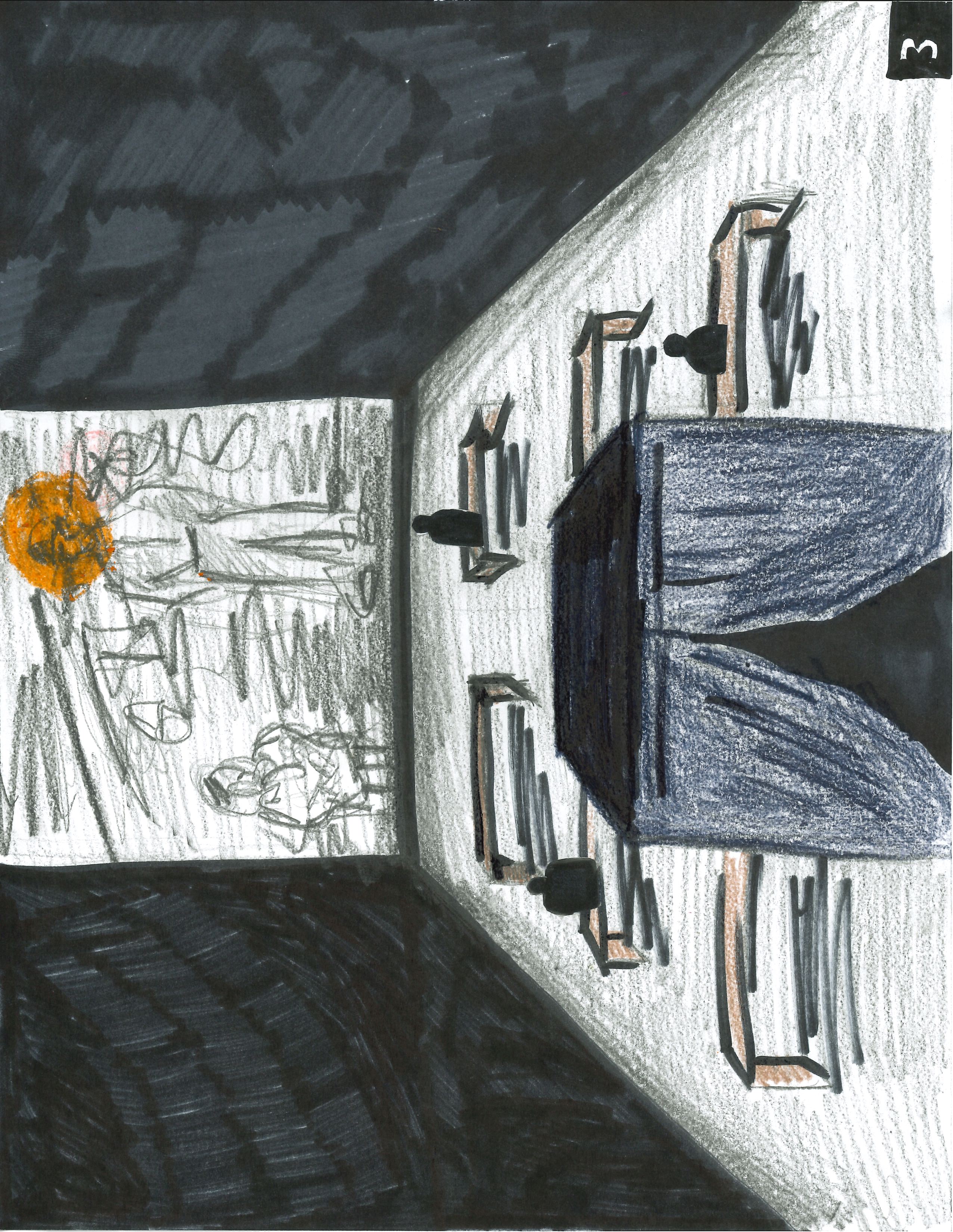
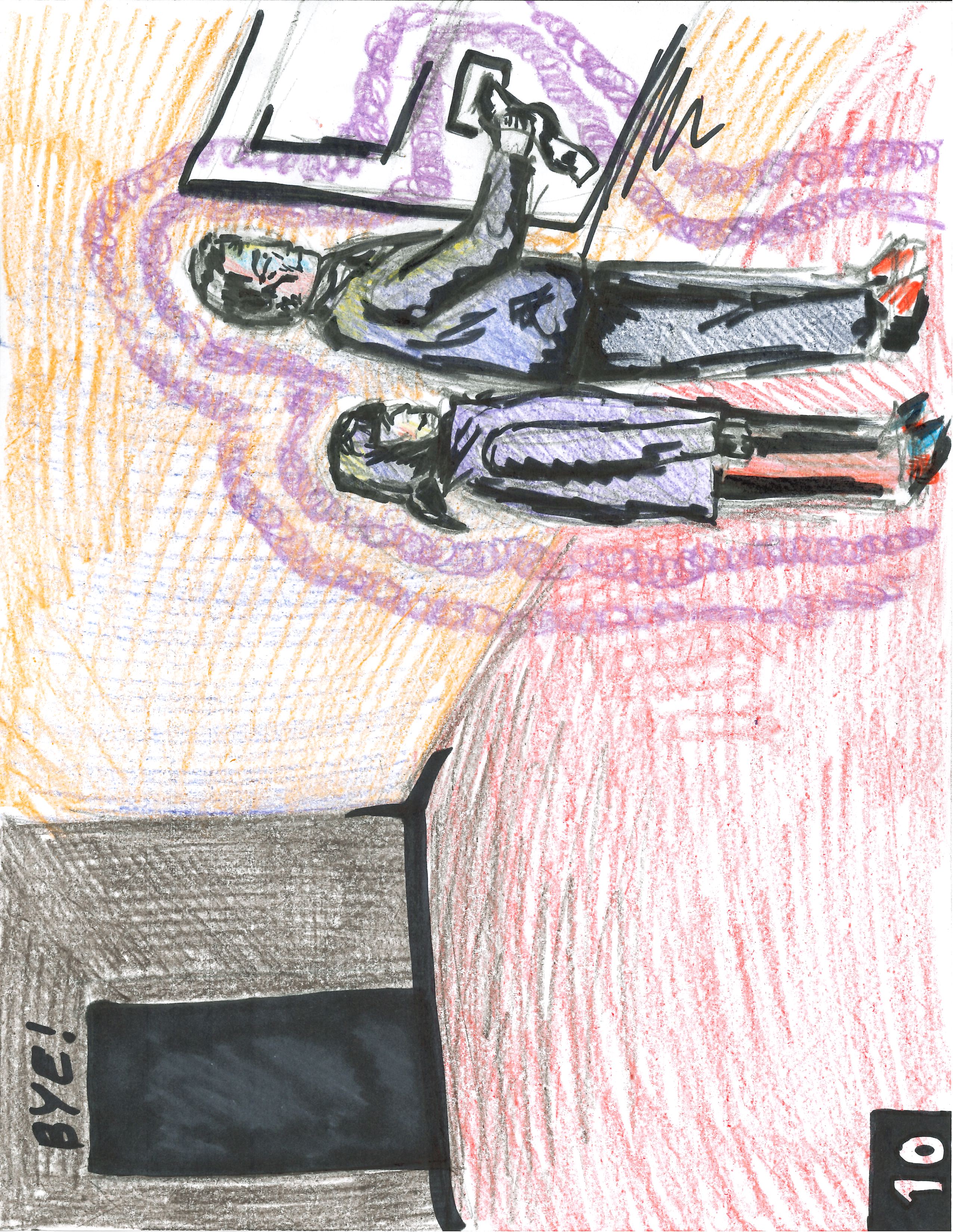
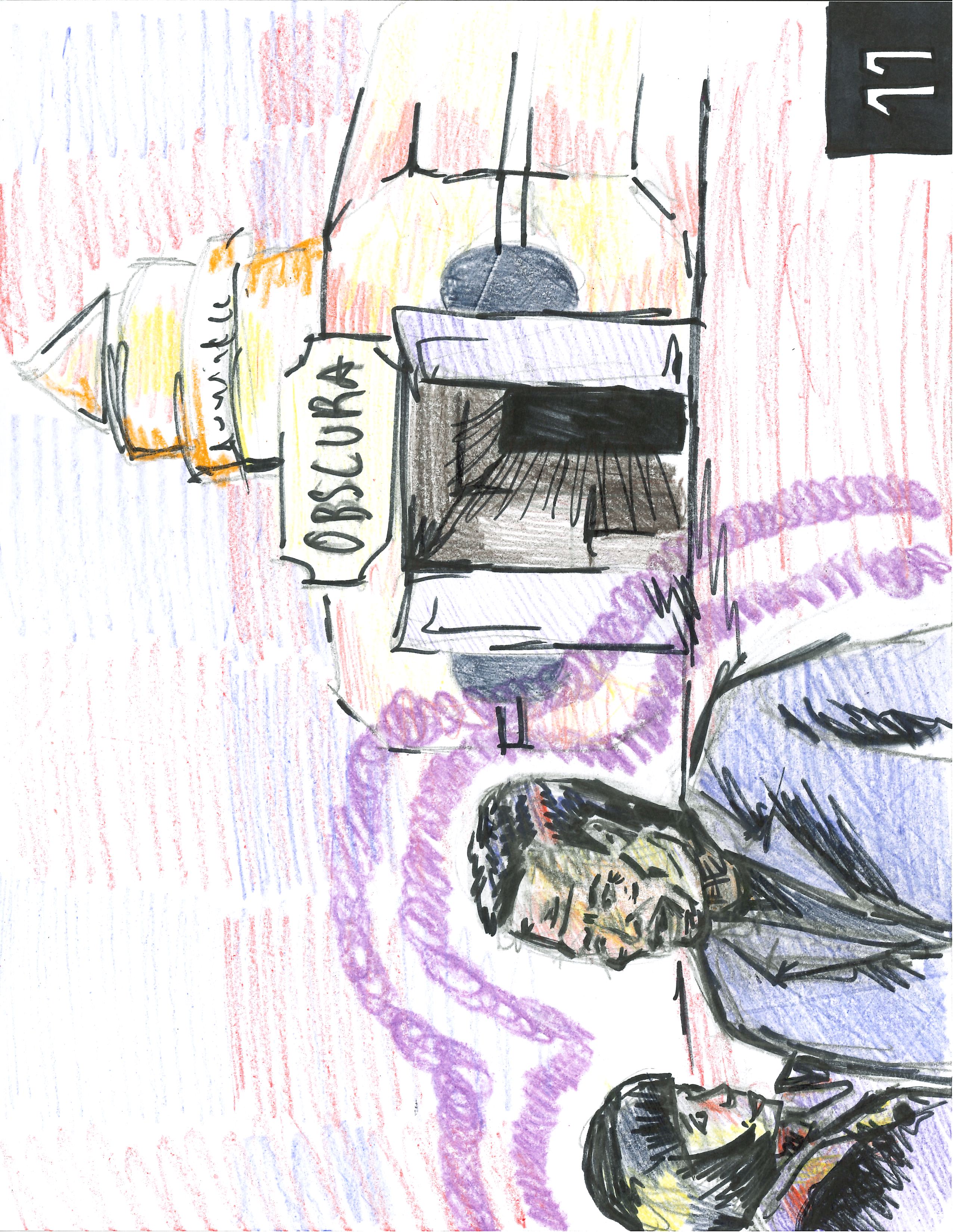
Full storyboard and individual panels mapping the transition from the “Immersed Self” to the “Audience Self.”
Prototyping
We wanted to capture how the subconscious mind looks at images — the involuntary flickers of attention that might surprise even the viewer themselves. To validate this, we ran tests with a Tobii eye tracker in our studio. The results confirmed the premise: participants were genuinely surprised by where their eyes lingered, often focusing on details they hadn't consciously noticed.
When we explored how to implement eye tracking inside a VR headset apparatus for the exhibit, an advisor from Meta Reality Labs informed us that displaying raw eye-tracking data to a public audience without explicit informed consent from every viewer violated privacy protocols.
We pivoted to head tracking. Less precise, but fundamentally different in character.
Where eye tracking captured involuntary, subconscious attention, head tracking required the viewer to be intentional. To look at something, you had to physically turn toward it.
To accommodate this shift, we drastically increased the size of the images in the VR view, forcing users to move their heads deliberately to take in the full photograph.
Eye tracking produces erratic, involuntary data: saccades and micro-fixations that don’t reflect conscious intent. Head tracking, by contrast, captures deliberate, performative movement that audiences can read from outside.
We role-played with low-fidelity prototypes to test the physical space, creating a cardboard “Portola Obscura” booth to test light and shadow.
Cardboard prototyping the booth to test light, shadow, and physical flow before Unity development.
In order for our self-curating system to work, the images needed to be tagged according to the themes they represent, and the themes they contain. We went through over 300 images and labeled and organized them so they may be used by the system.
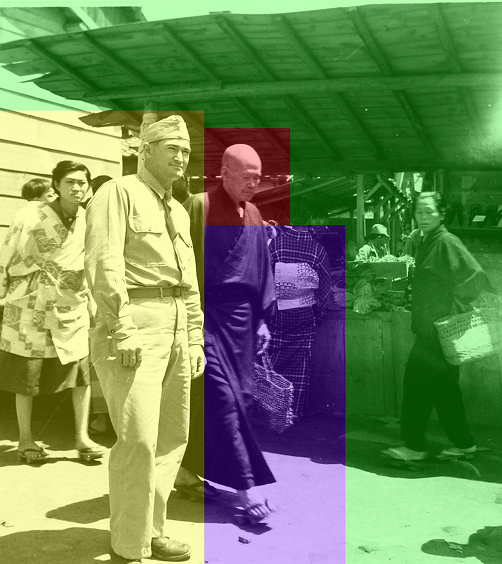
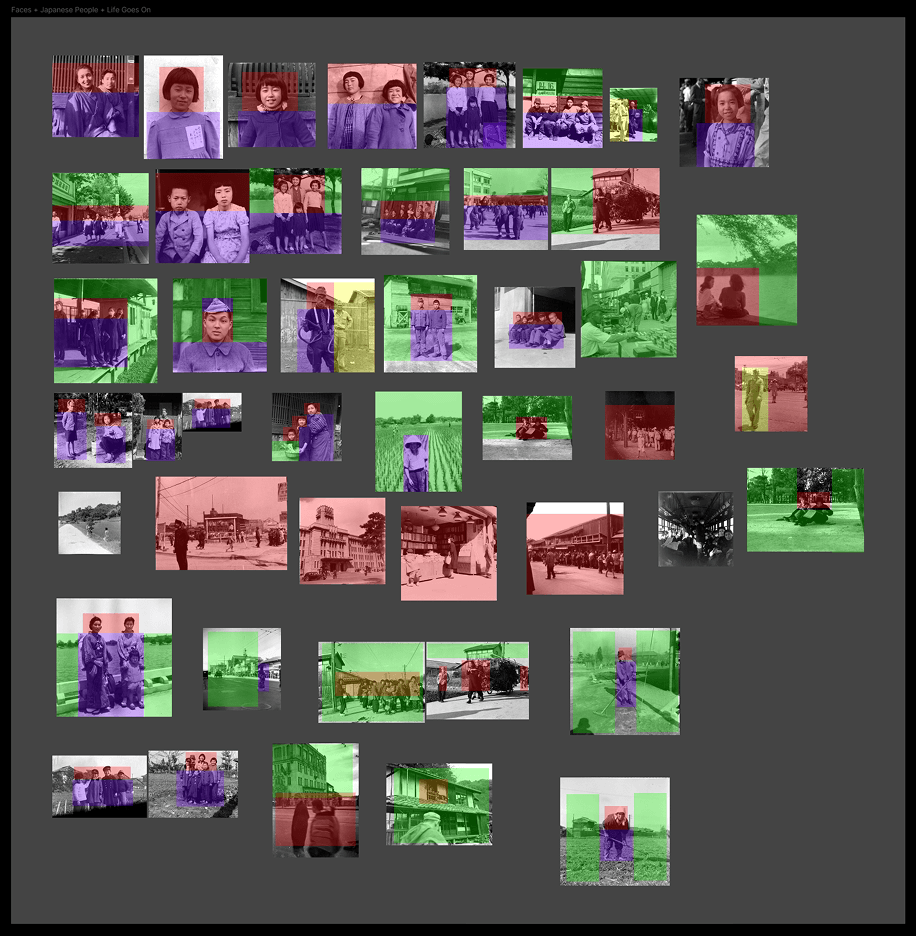
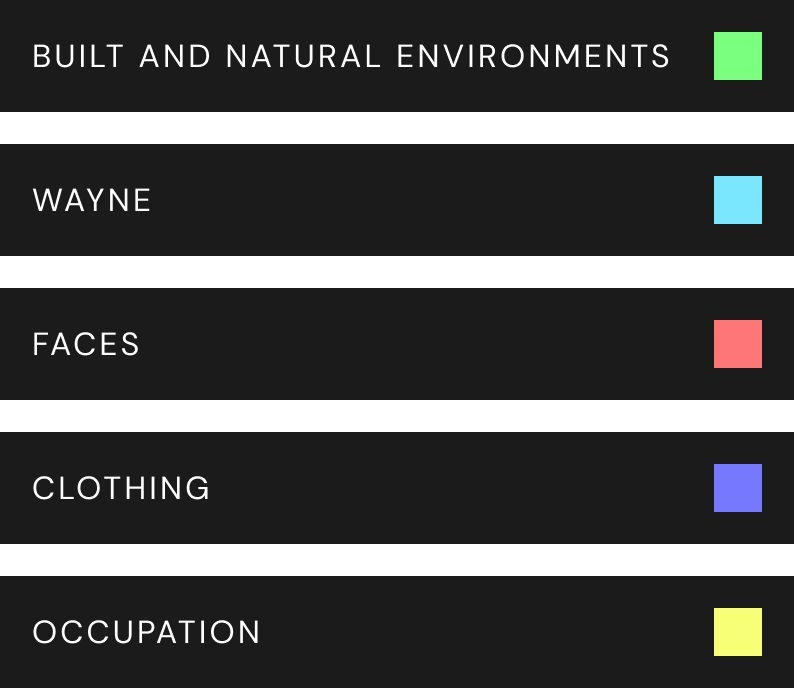
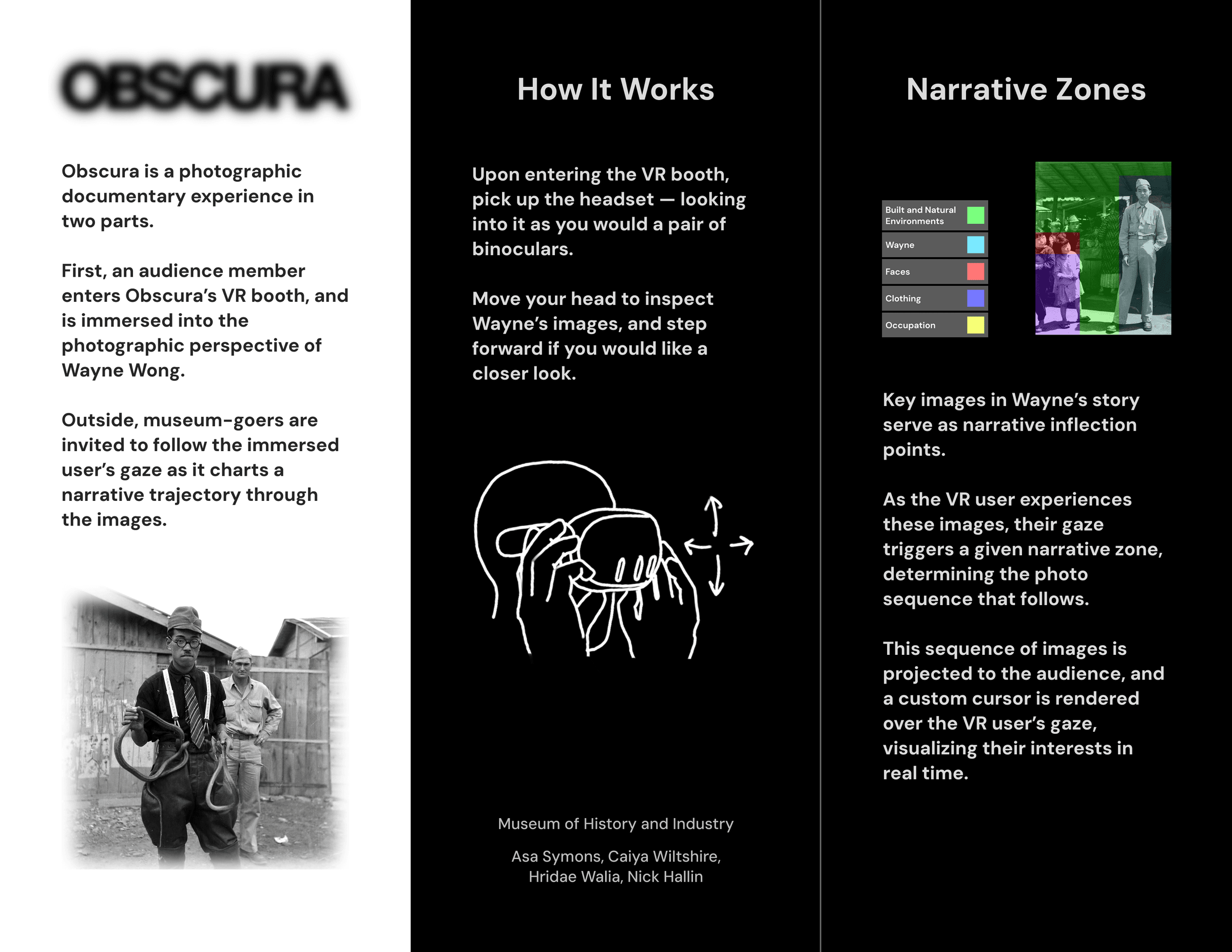
Technical diagrams — zone breakdown, image annotations, and labeling system for the gaze-driven narrative branching.
After we had the design and interaction logic laid out, I moved into Unity to prototype a working version of the experience. I used a Unity XR rig and iterated on device with a Meta Quest 3. With help from Gemini and Claude Code, I wrote the C# scripts that acted as the “game engine” for Obscura: tracking where the viewer was looking and deciding which image set to surface next.
Explore Like a Viewer
Move your cursor over Wayne's photograph below. Dwell on regions of interest to see how the system tracks and categorizes your attention.
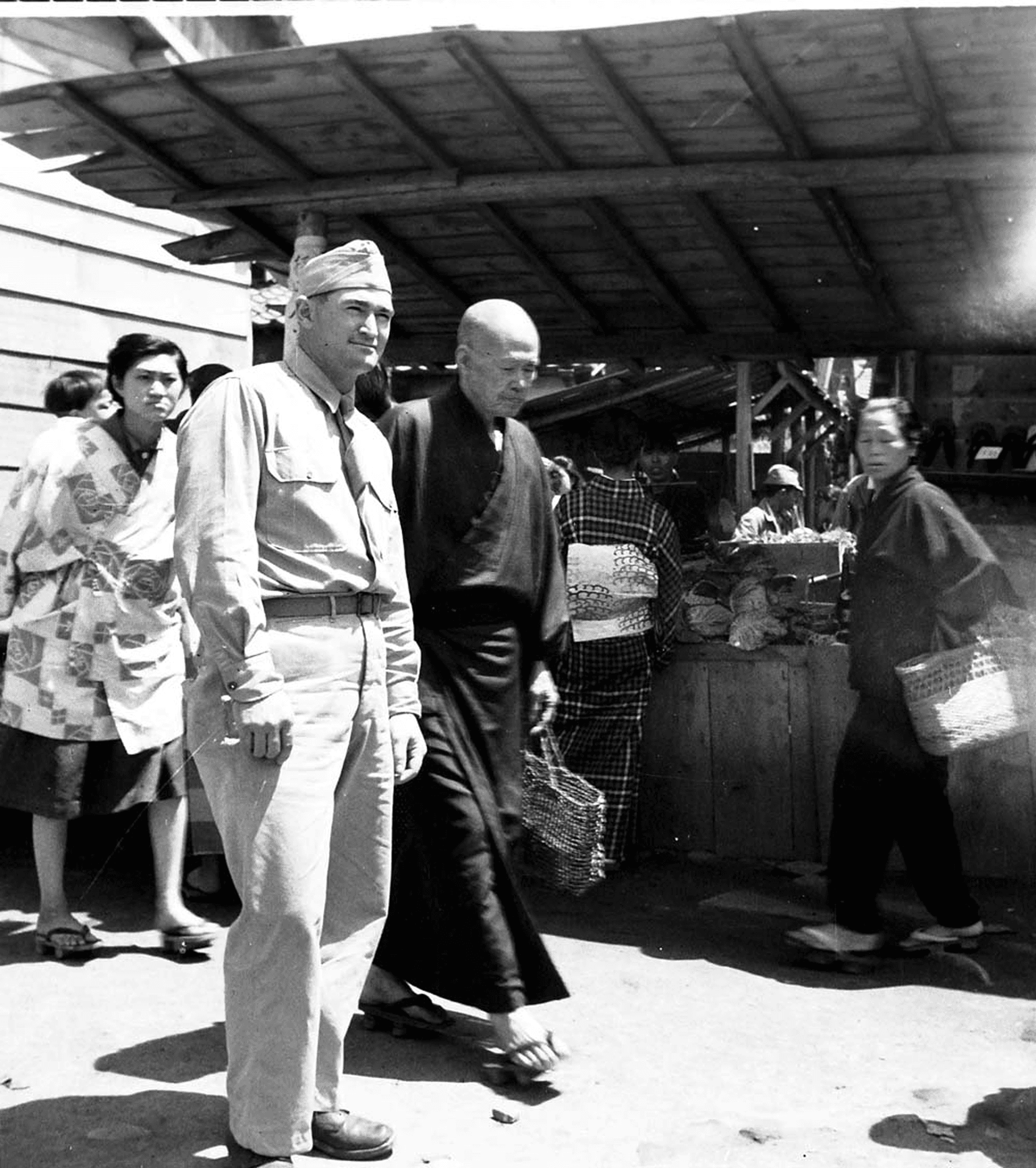
Your Gaze Profile
Physical take-home artifacts
I really wanted viewers to take something home with them, to remember their experience and to remember Wayne's story.
The photostrip souvenir is distinct because it was given to viewers based on the visual theme they dwelled on the most, so when they take it home and look at it after a while, they won't just remember the exhibit but also a remnant of what they specifically engaged with.
While testing we also discovered that the interaction was so passive, and VR is still unfamiliar enough, that users desired some level of instruction and explanation of what they were experiencing. So I designed and printed instructional cards that were handed out to people waiting in line.
Reflection
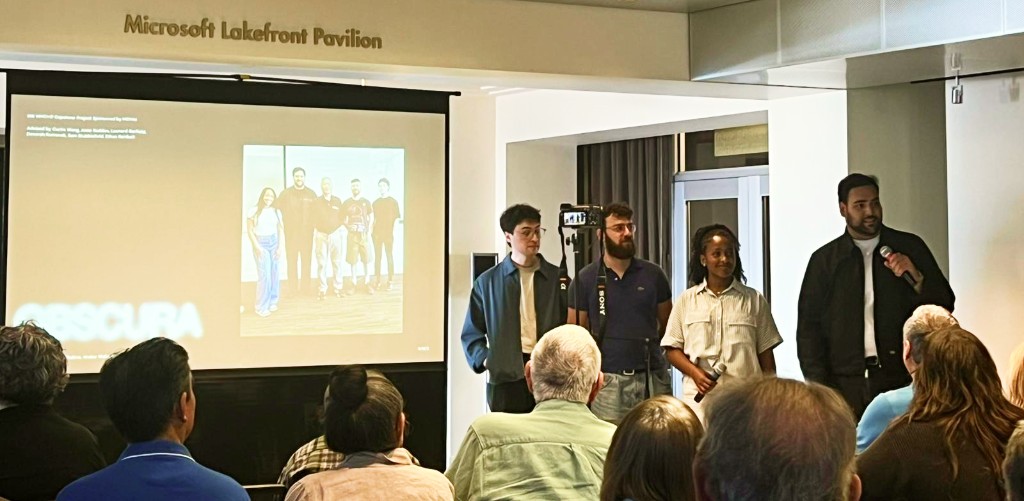
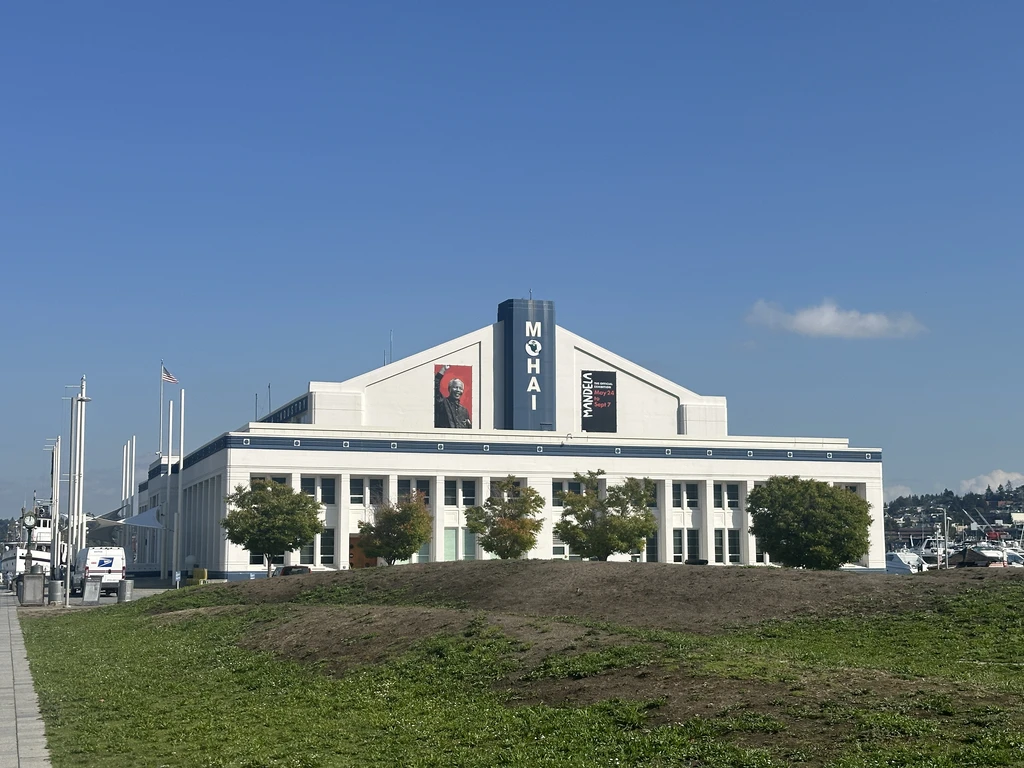
The exhibit launched at MOHAI on September 13, 2025. The queue for the booth lasted the full duration of the event, and the atmosphere was lively, but what surprised me most was the audience outside. The projected gaze view, originally designed as a waiting mechanism, became its own destination. Groups stood watching, narrating what the person inside was doing, debating why they kept returning to the same face.
“As were all the audience members that I spoke with at the end of the event, I was very impressed with the project and the way it was presented. The team had a very clear rationale for the design of their exhibit, and the execution seemed flawless as far as I can tell.”
Exhibition Viewer
If I built it again, which I intend to do at a larger scale, I would pay far more attention to the pathfinding and spatial choreography of the audience experience. Exhibition design lives in the transitions: how people approach, how they wait, how they move through, how they leave. I'd like to design the external apparatus with the same care as the internal experience, and explore how the physical space can facilitate more discussion and interaction between visitors before and after they step inside.
Gratitude
Wong Family
Wayne Wong, Curtis Wong, Anne Rudden
Teammates
Asa Symons, Caiya Wiltshire, Nick Hallin
MOHAI
Leonard Garfield, Devorah Romanek, Sorana Nance, Rachel Spence
UW
Ana Pinto Da Silva, Matt Bartels, Dukes Wooters, Axel Roesler, Kristin N Dew, John Zošák
External Advisors
Saransh Solanki (Meta), Sam Stubblefield, Harri Lin, Maria Mortati
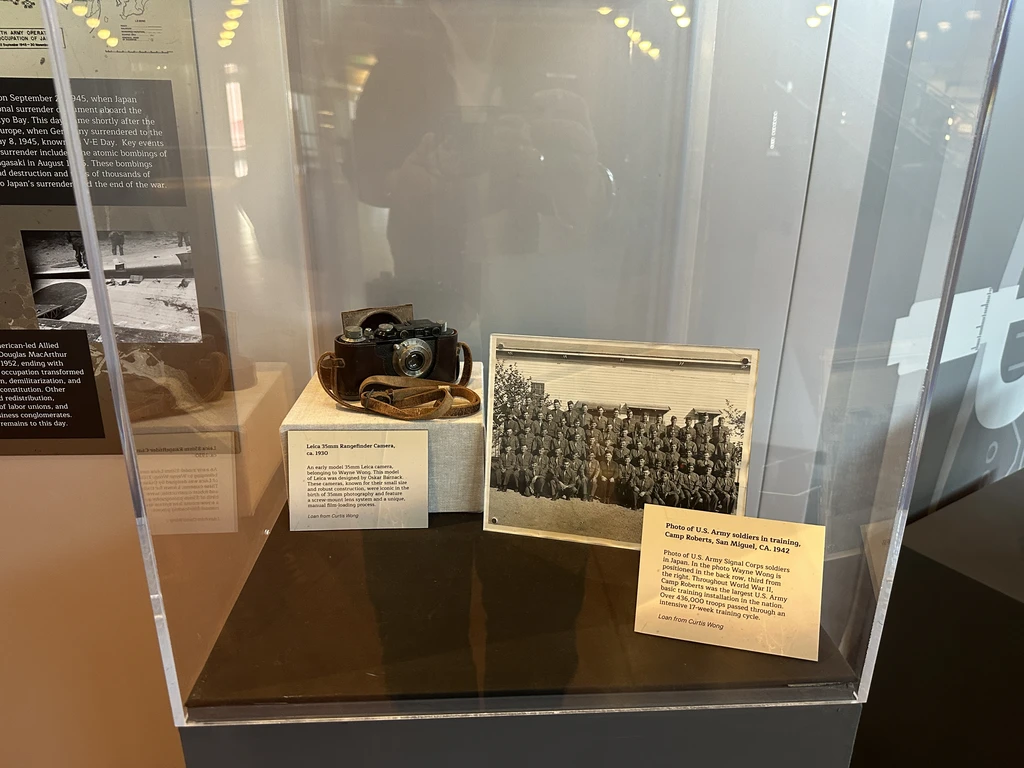
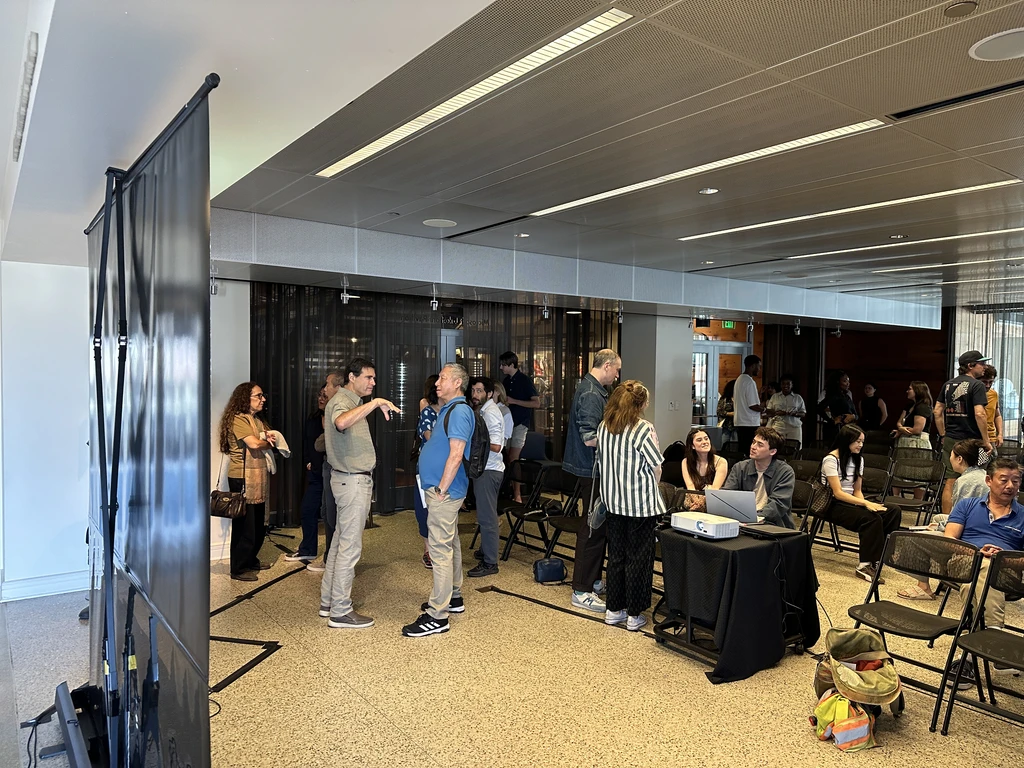
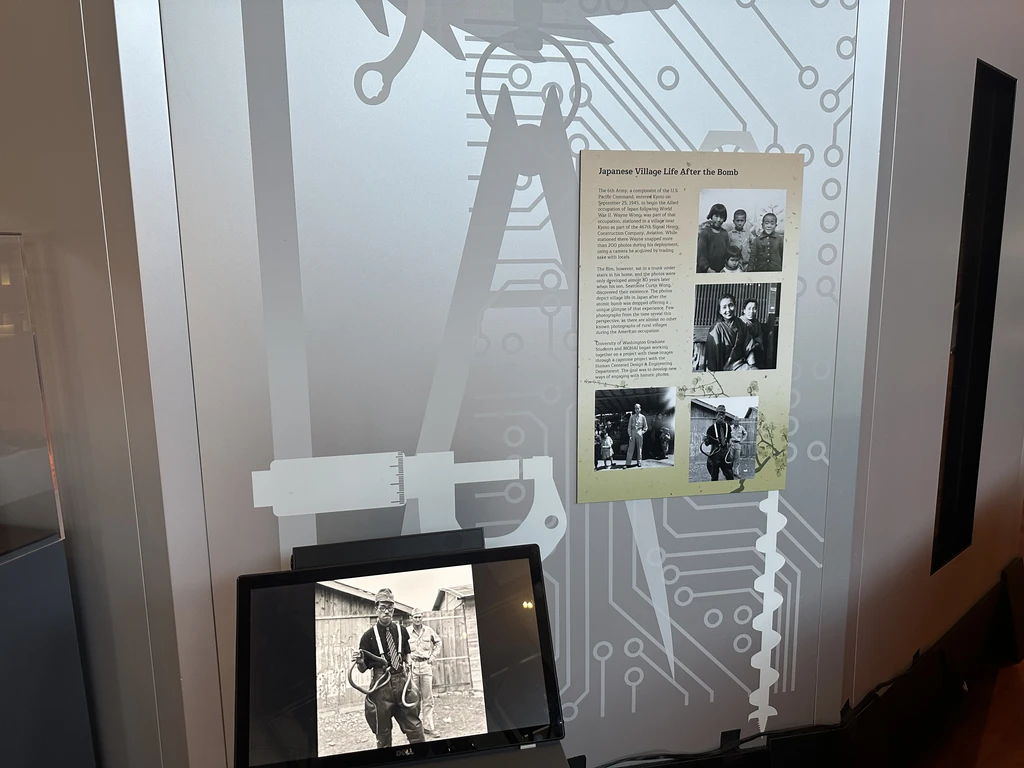
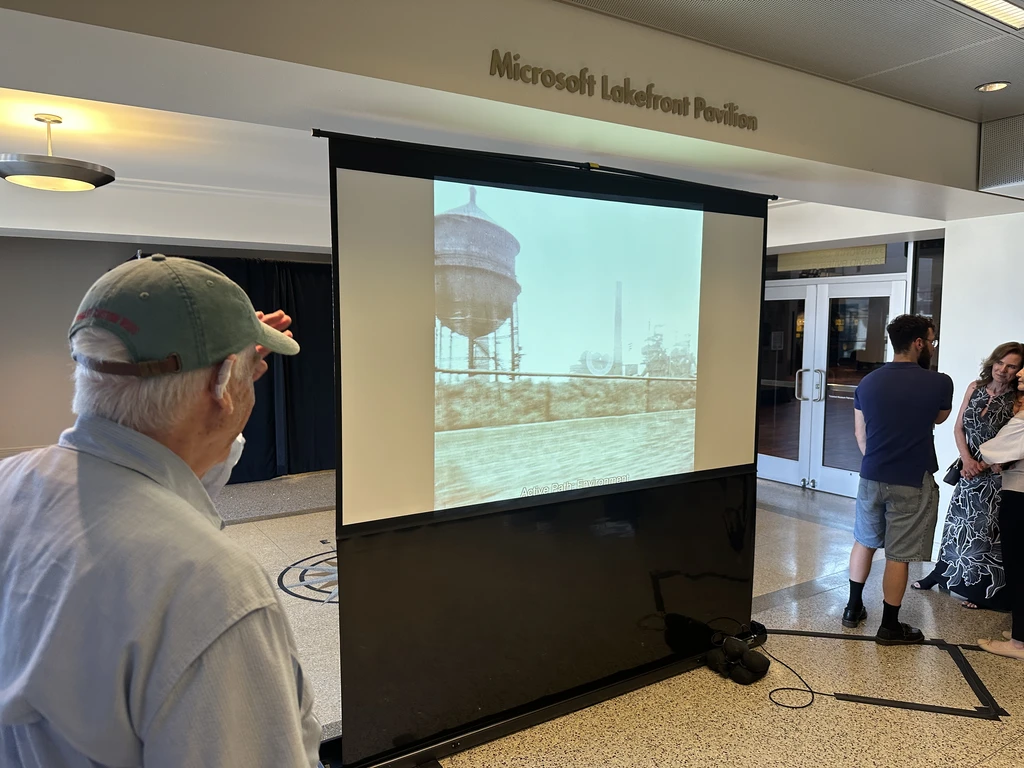
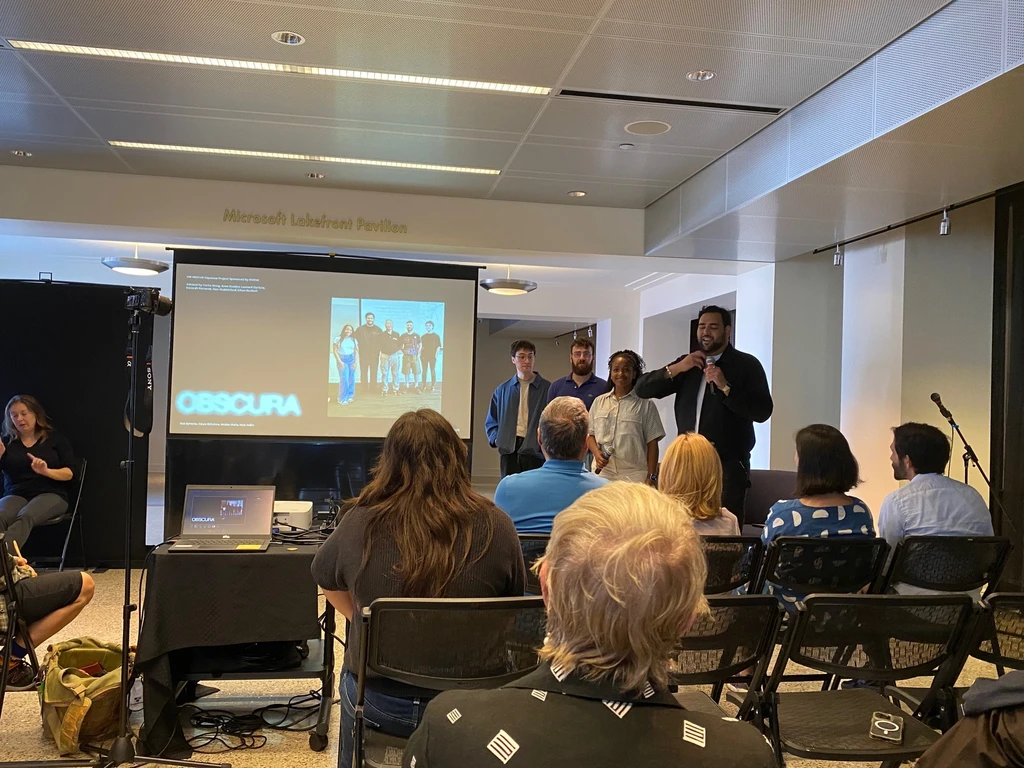
Exhibition Day at MOHAI — September 13, 2025